

 Travel highlights
 Europe
 Asia
Asia
 America
 Africa
Day 1: Travel to South Africa
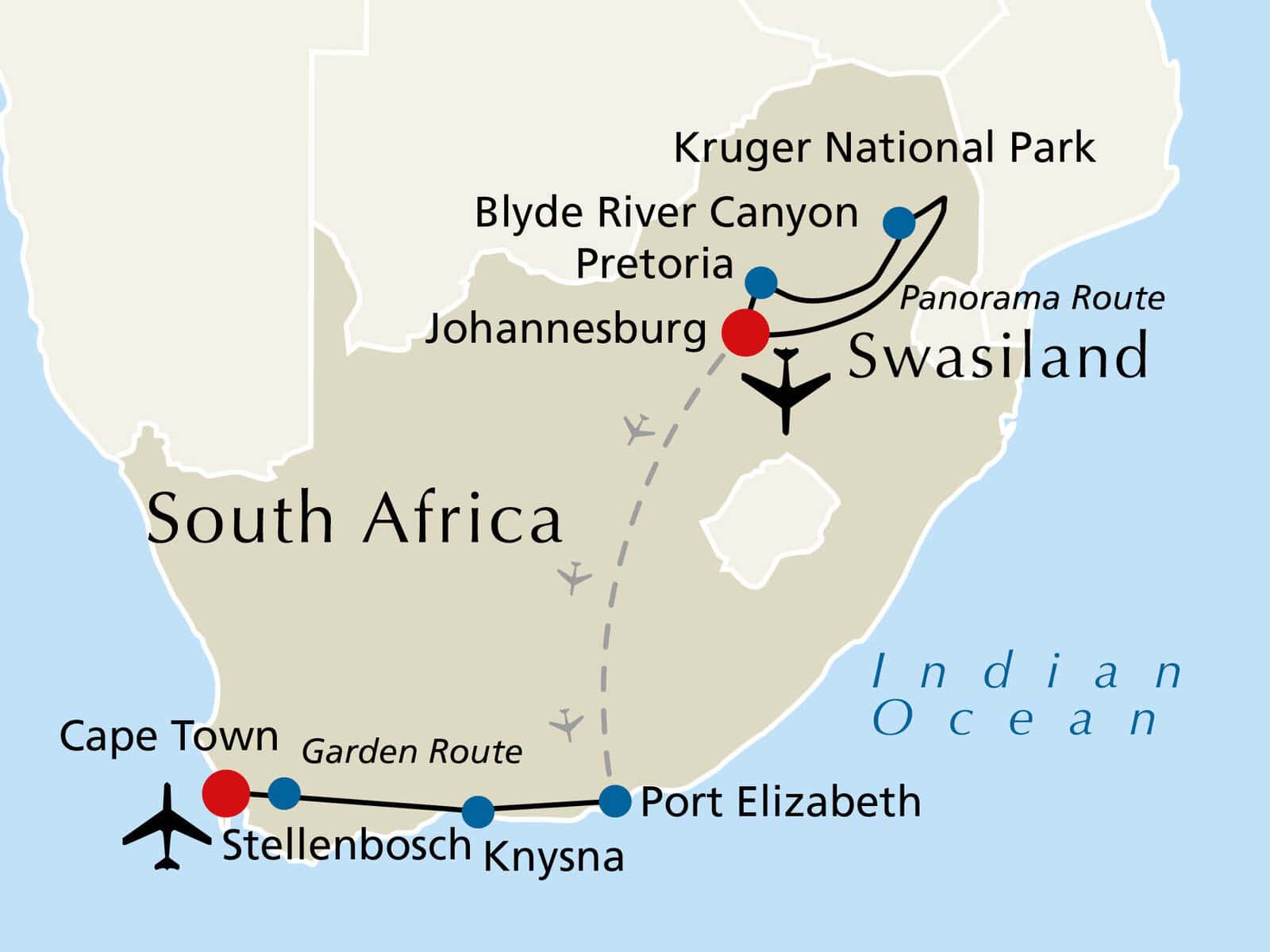


Based on our own experience and the many tips we have received from enthusiastic holidaymakers, it is our pleasure to present you one of the UK‘s most popular long-distance trips² featuring the most spectacular highlights of South Africa including a safari in the Kruger National Park!
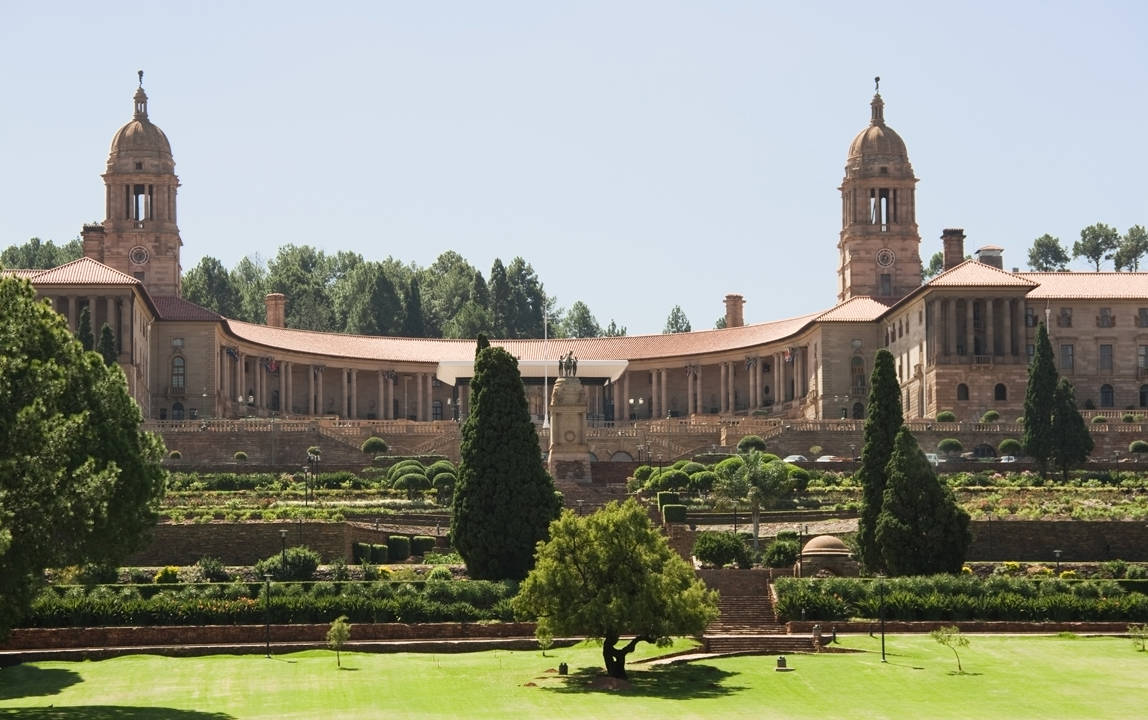
Today we land in Johannesburg, where our friendly, English-speaking cultural tour guide welcomes us and accompanies us to our modern coach. We drive to the capital Pretoria, which is one of the most beautiful metropolises in the country. Here, in the subtropical climate, several thousand jacaranda trees are in full bloom every October. Then the whole city is transformed into a huge, purple and delicately scented sea of blossoms. After an exciting orientation drive, we make a photo stop at the magnificent seat of government, part of the Union Buildings. In 1994, this was where Nelson Mandela was sworn in as the first black president of South Africa. We stay overnight in a modern comfort hotel in the Pretoria area.
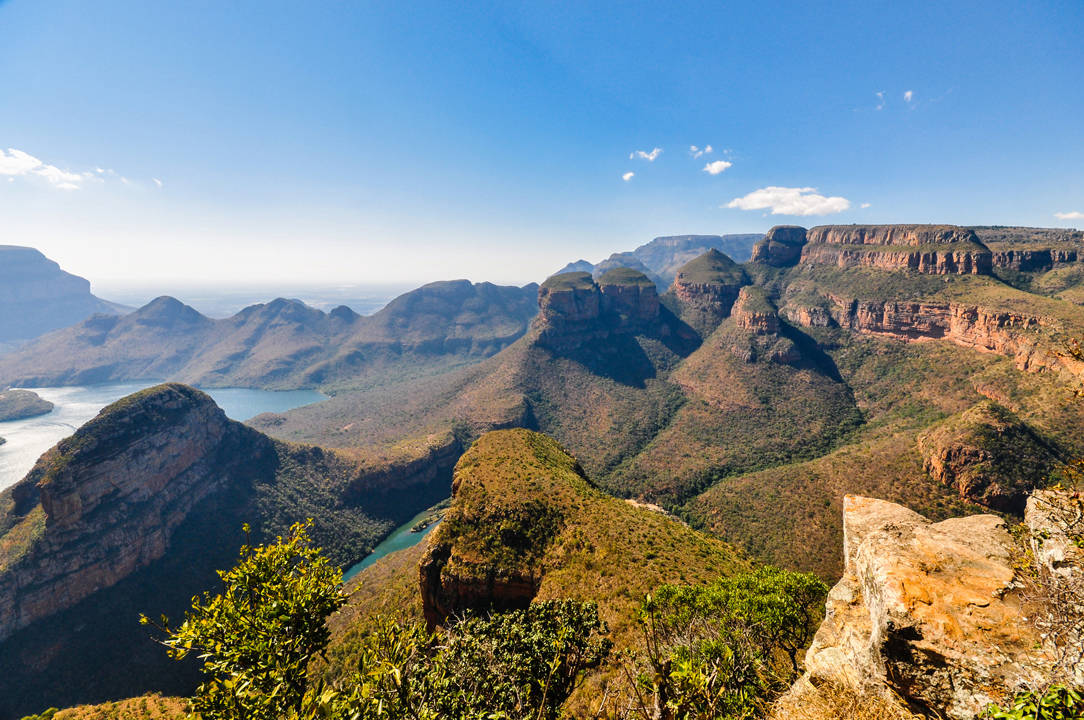
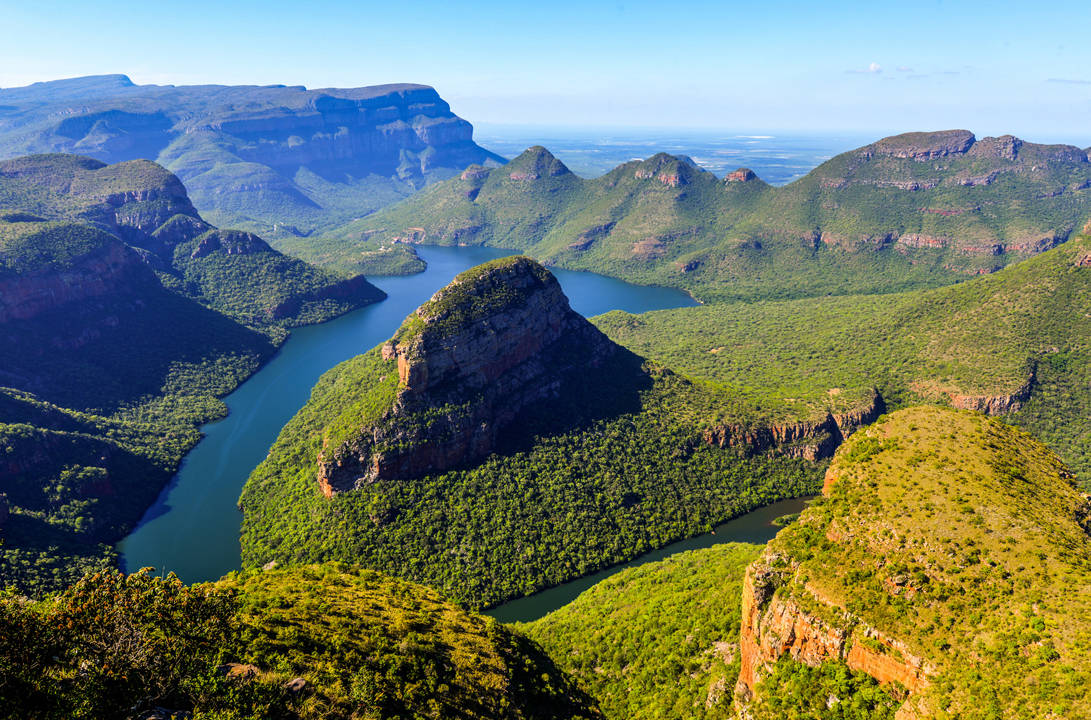
After breakfast we make our way to the Kruger National Park region. Even the drive there is a special kind of highlight. The unique Panorama Route, one of the most beautiful destinations in South Africa, leads past the rugged mountain ranges of the Drakensberg. The most spectacular section is the Blyde River Canyon, which we naturally visit and marvel at the impressive stone formations of the ‘Three Rondavels’ (admission included). We stay in a comfortable lodge very close to the Kruger National Park.
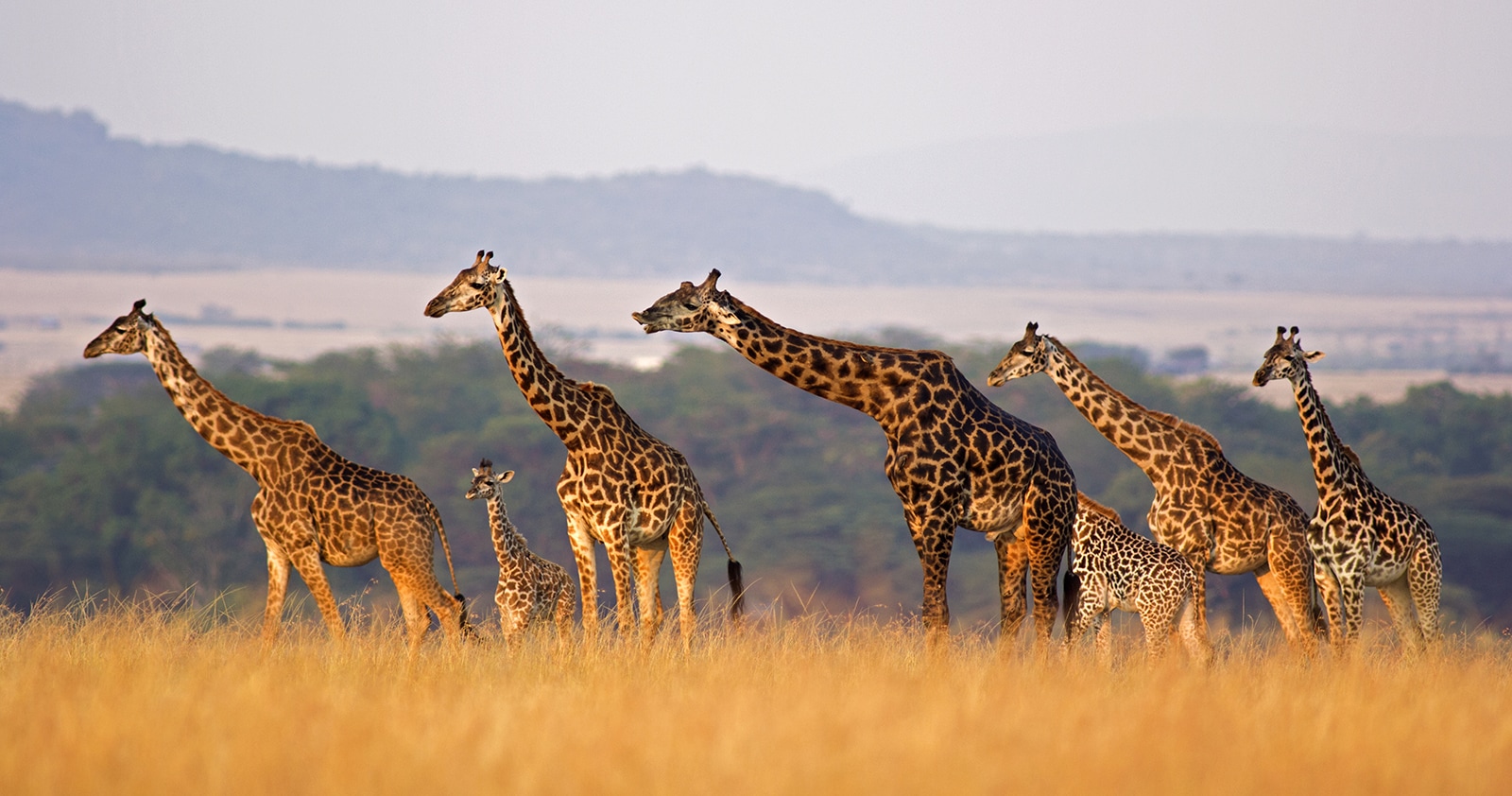
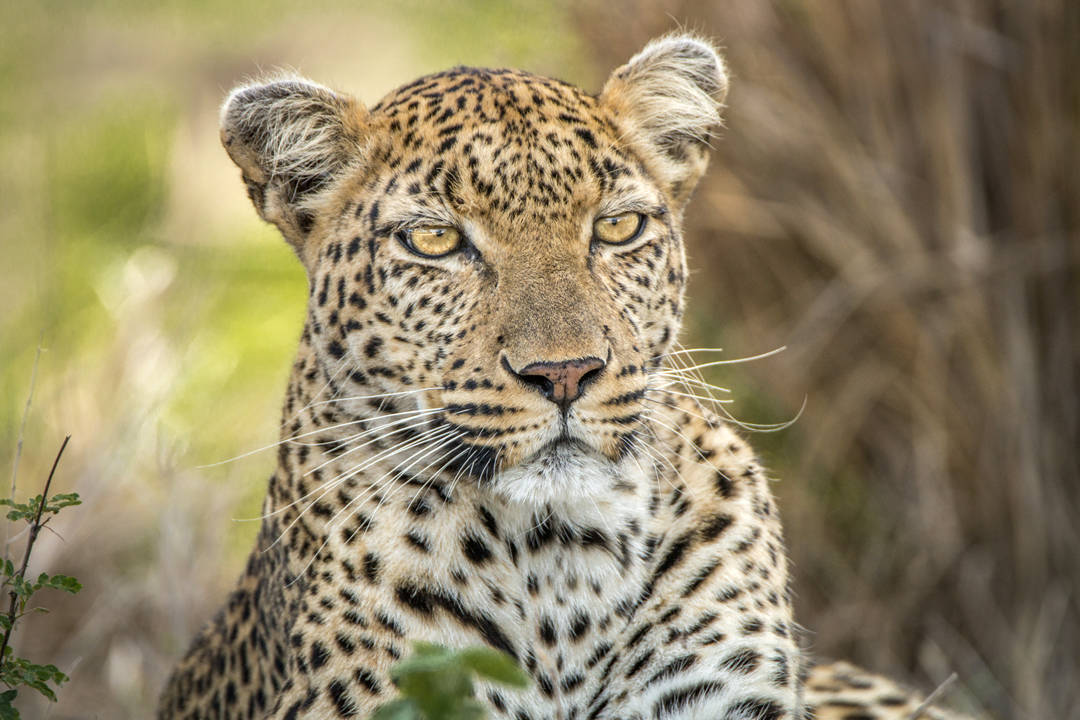
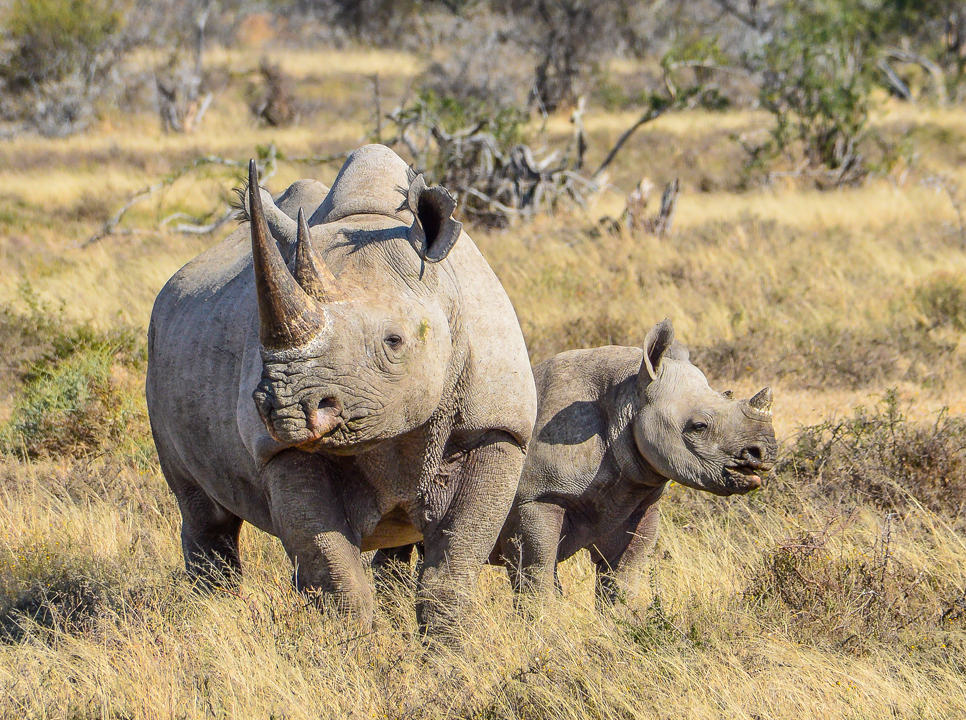
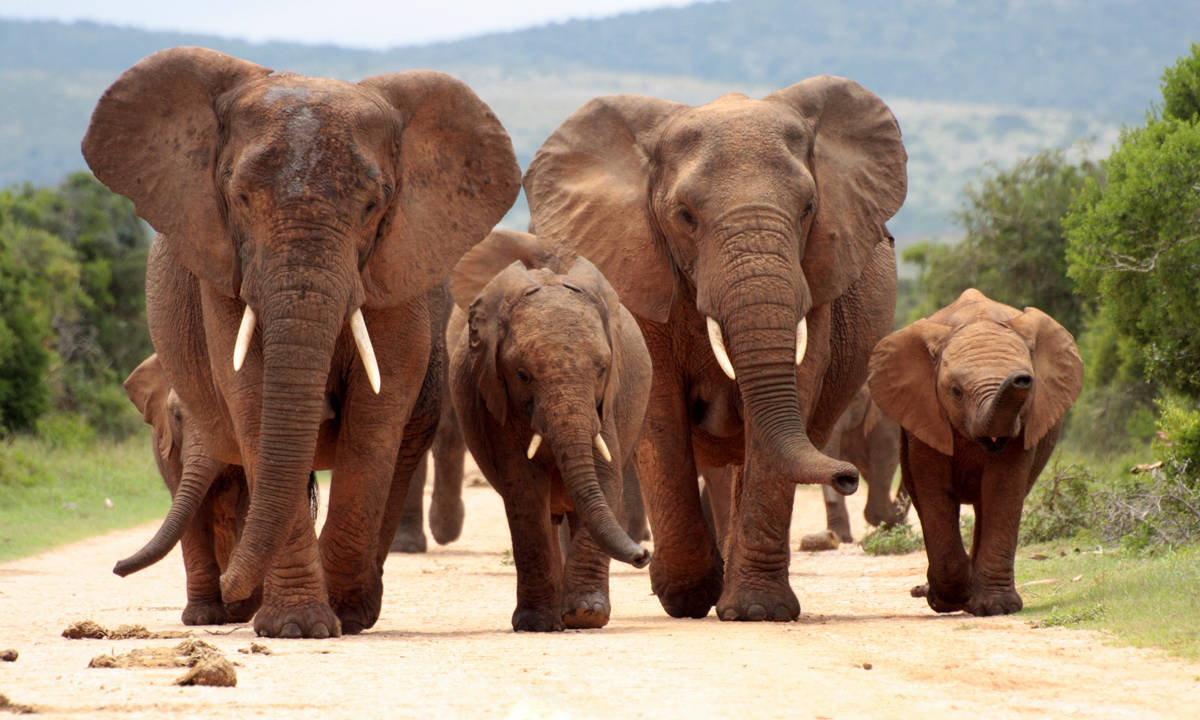
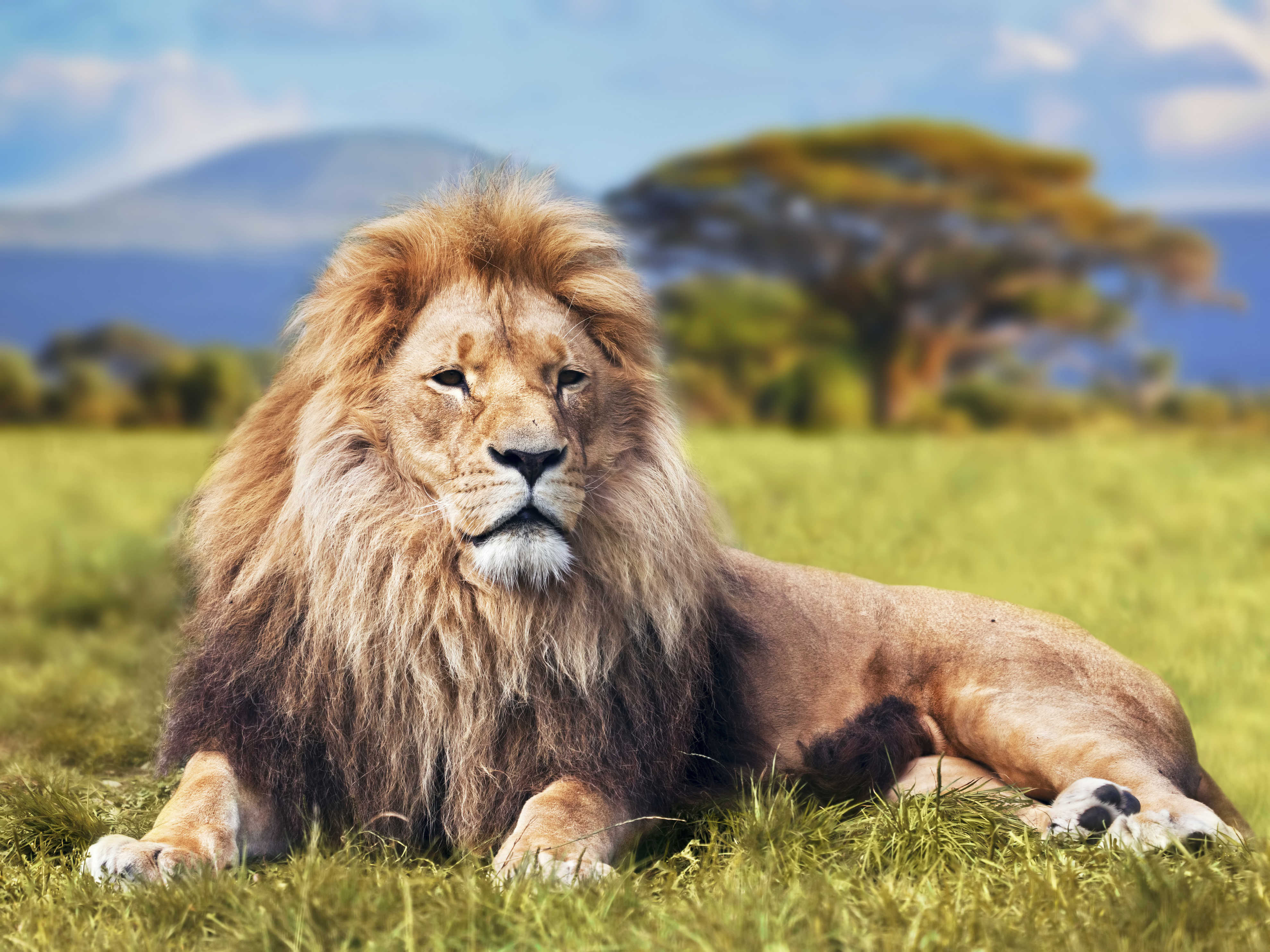
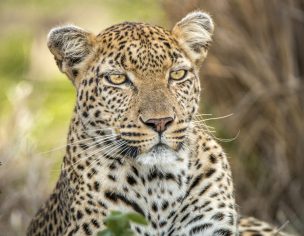
A very special experience awaits us today. We go on a bus safari in the Kruger National Park (admission included), probably the most famous national park in the world. It was declared a wildlife sanctuary in 1898 by Paul Kruger, the son of German immigrants and then President of South Africa. Today it is the largest nature and wildlife reserve in South Africa. With a little luck, marvel at the famous ‘Big Five’ – elephant, leopard, rhino, buffalo and lion. In addition to a species-rich animal world, the fascinating landscape also amazes us. Savannahs with typical grasslands and acacia trees enchant us.
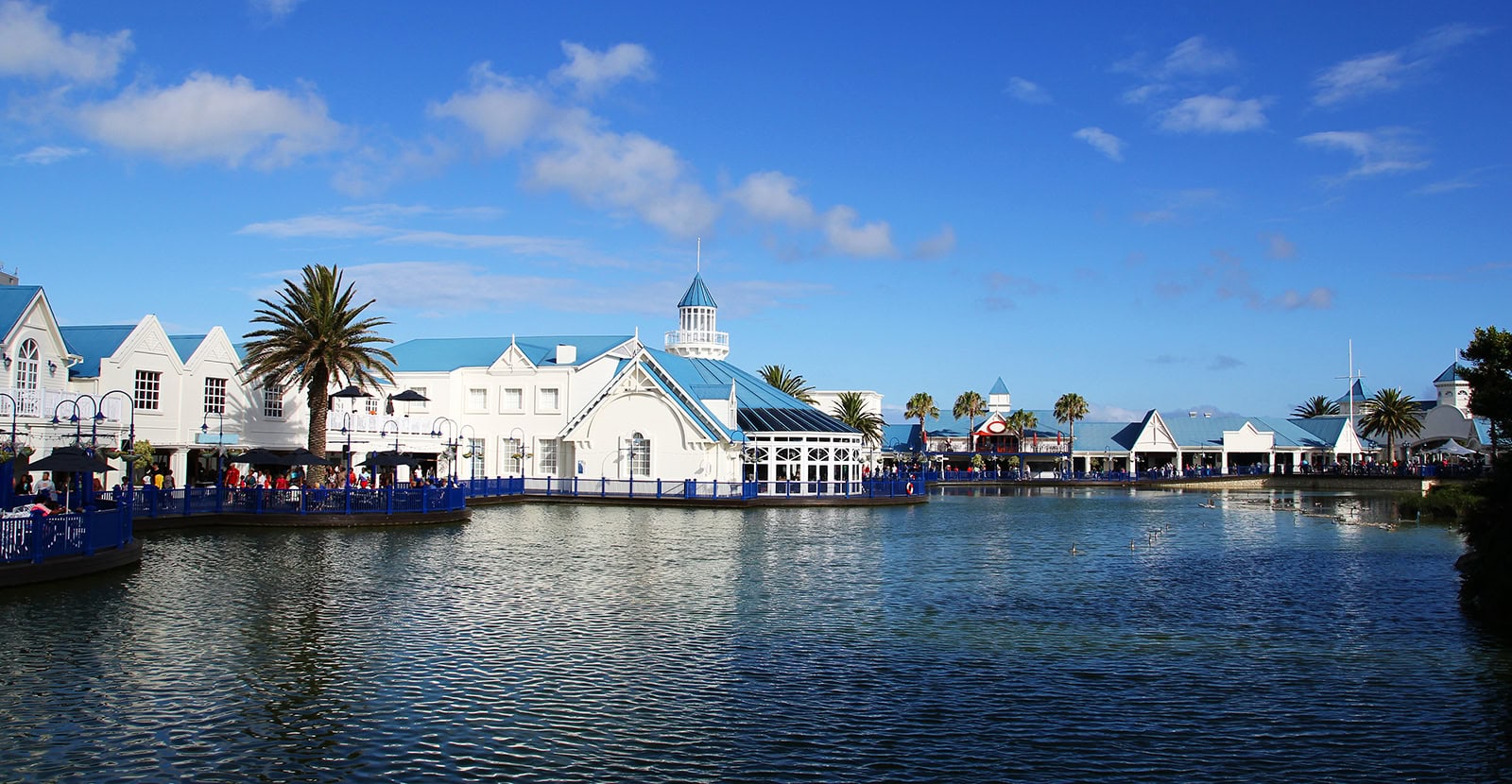
Today we drive back to Johannesburg along marvellous landscapes. From there we fly to Port Elizabeth on the impressive south coast. Thanks to its location directly on the Indian Ocean, the climate here is mild all year round. The city is known for its numerous beaches and is characterised by its many historical buildings, including Victorian and Art Deco buildings. After your arrival, enjoy the benefits of your comfortable hotel, discover the fantastic coastal town or take a stroll along the Indian Ocean.
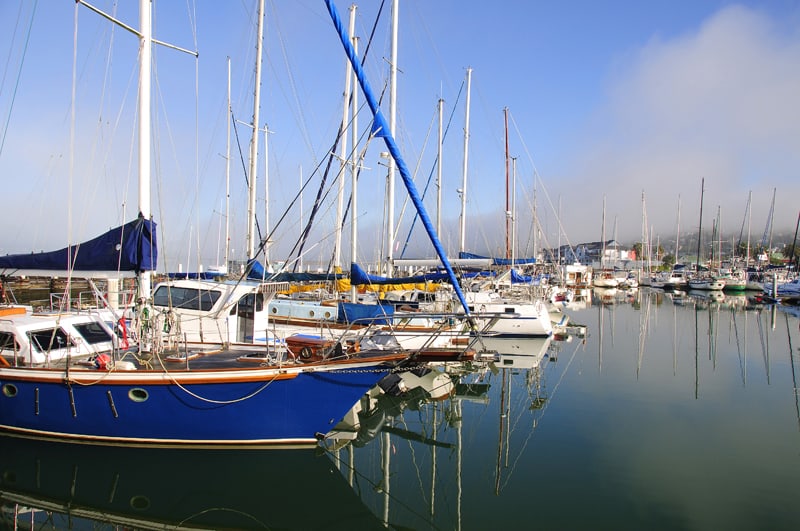
Today we drive along the Garden Route national park to Knysna. The name of this town, which has a population of 23,000, comes from the Khoi language. Its meaning is not entirely clear, but Knysna seems to mean ‘place of wood’. Knysna is also famous for one thing: Its oysters! We visit the small, picturesque harbour town situated on a saltwater lagoon and have enough time to take a relaxing stroll along the promenade by the sea. Here you can also enjoy the romantic Knysna lagoon on a breathtaking optional boat trip. It is not only of natural origin, but is also connected to the Indian Ocean. It also enjoys the figurative protection of its bodyguards: the Knysna Heads, two imposing rocks, are situated to the left and right of the harbour entrance. We spend the night in a modern, comfortable hotel in the Wilderness region.
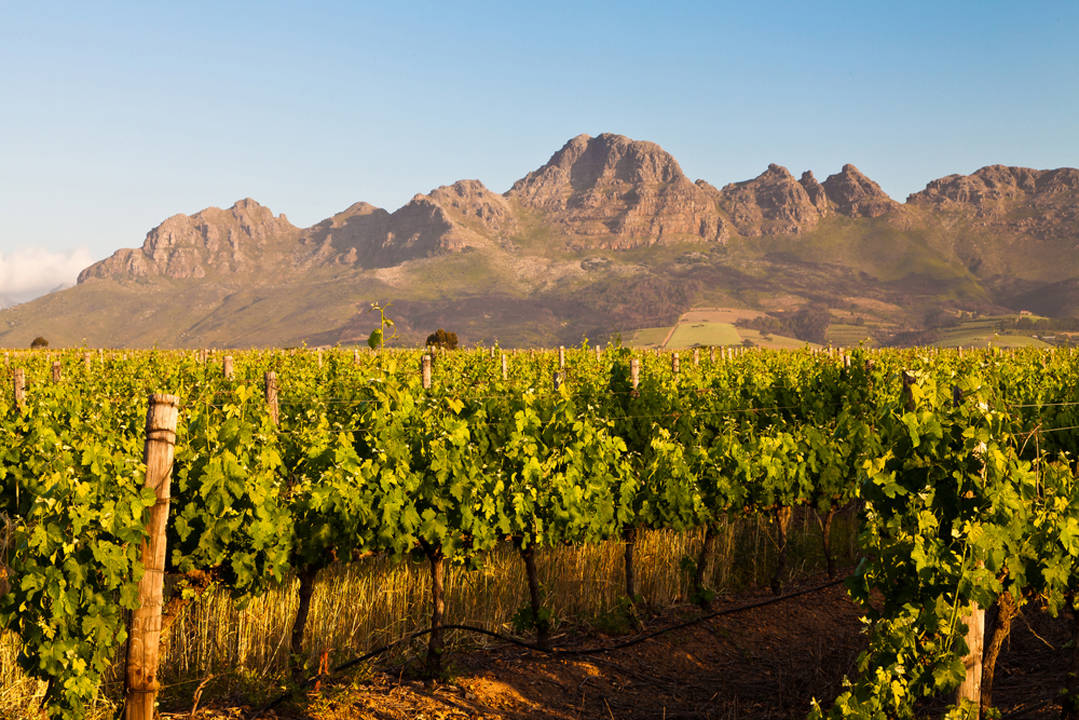
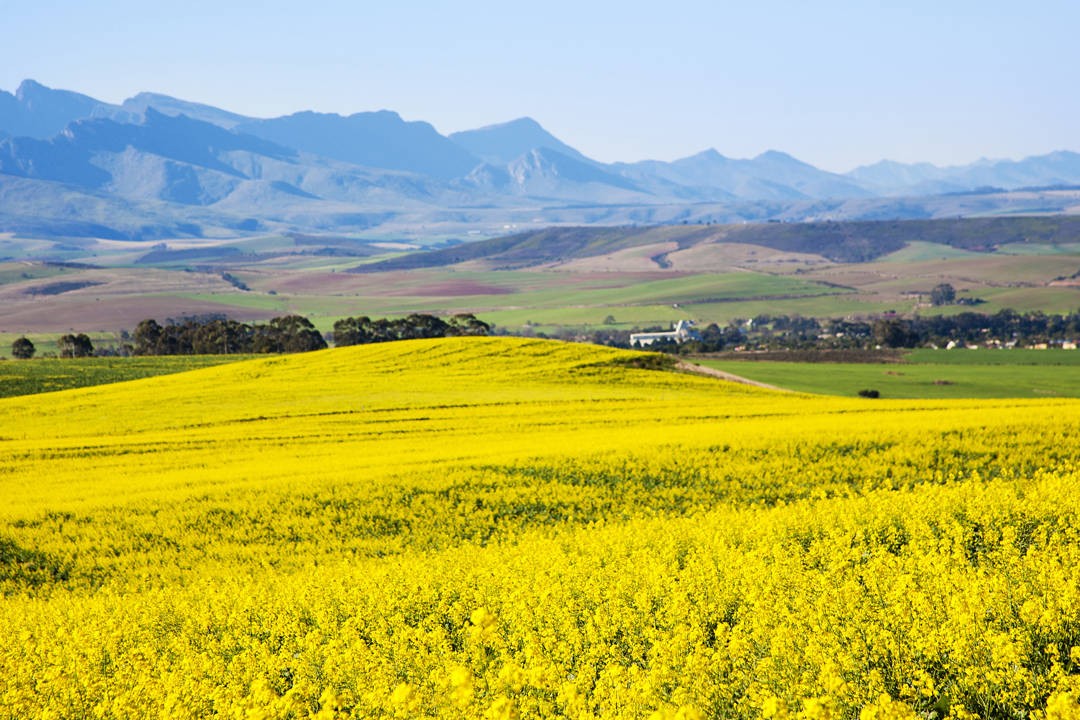
On our way along the beautiful Garden Route to Cape Town, we stop off in the Stellenbosch region, South Africa‘s most famous wine-growing area. Many houses from the time of the East India Company have been preserved here in the Cape Dutch style, giving the landscape a special flair. Red grape varieties such as Pinotage, Cabernet Sauvignon, Shiraz and Merlot as well as white grapes such as Sauvignon Blanc, Chardonnay and Chenin Blanc thrive in the region‘s Mediterranean climate – including many world-renowned wines. We convince ourselves of the quality of the countless award-winning wines during a delicious wine tasting. We then travel on to Cape Town, where we spend the next three nights in our comfortable hotel in the Stellenbosch wine region.
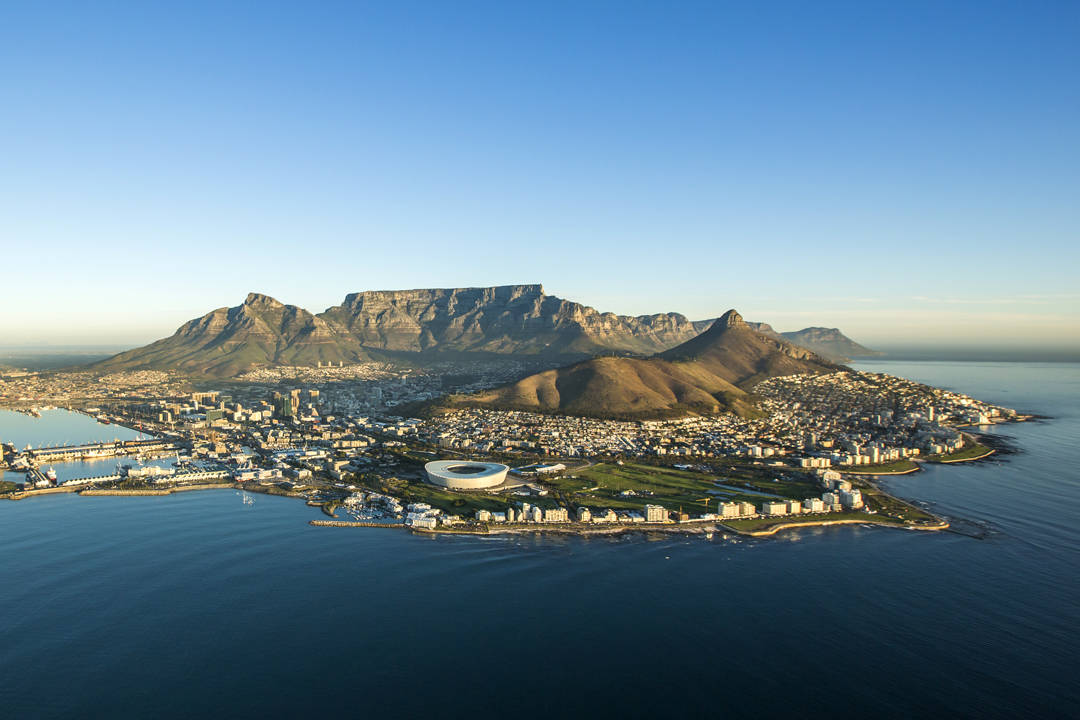
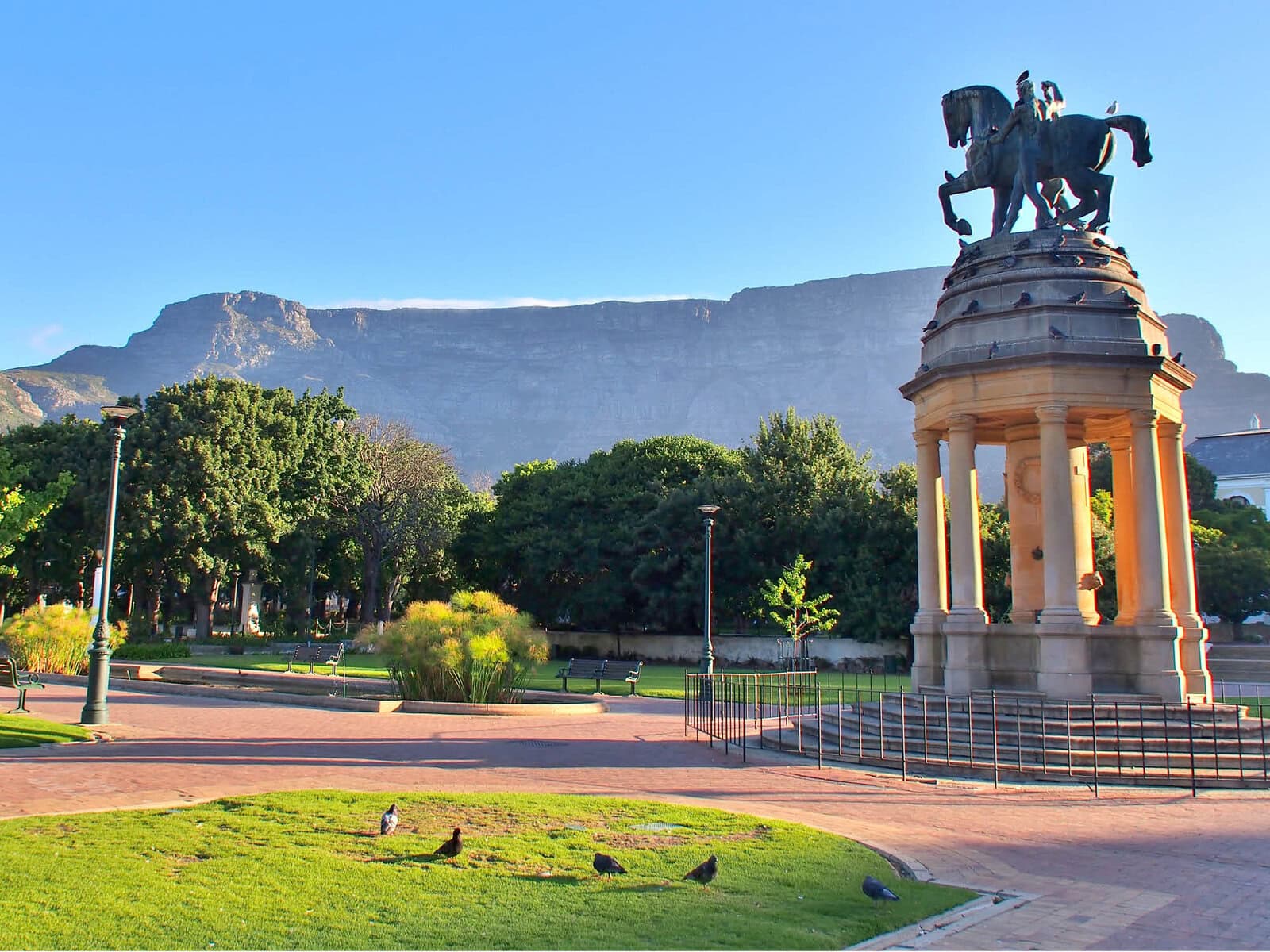
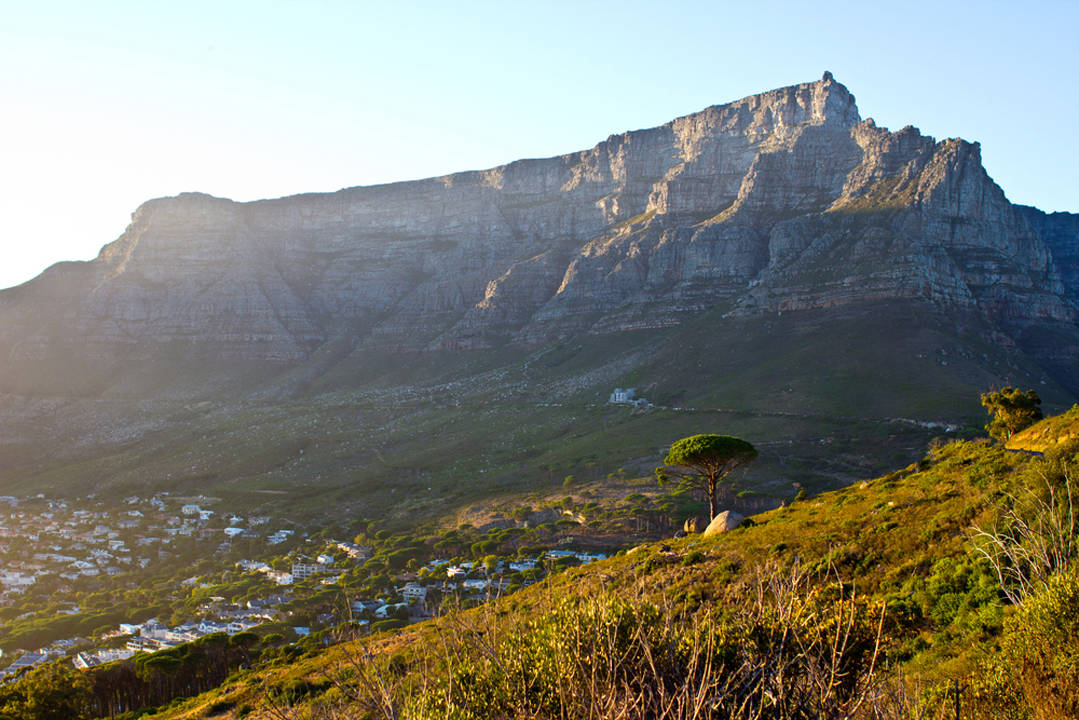
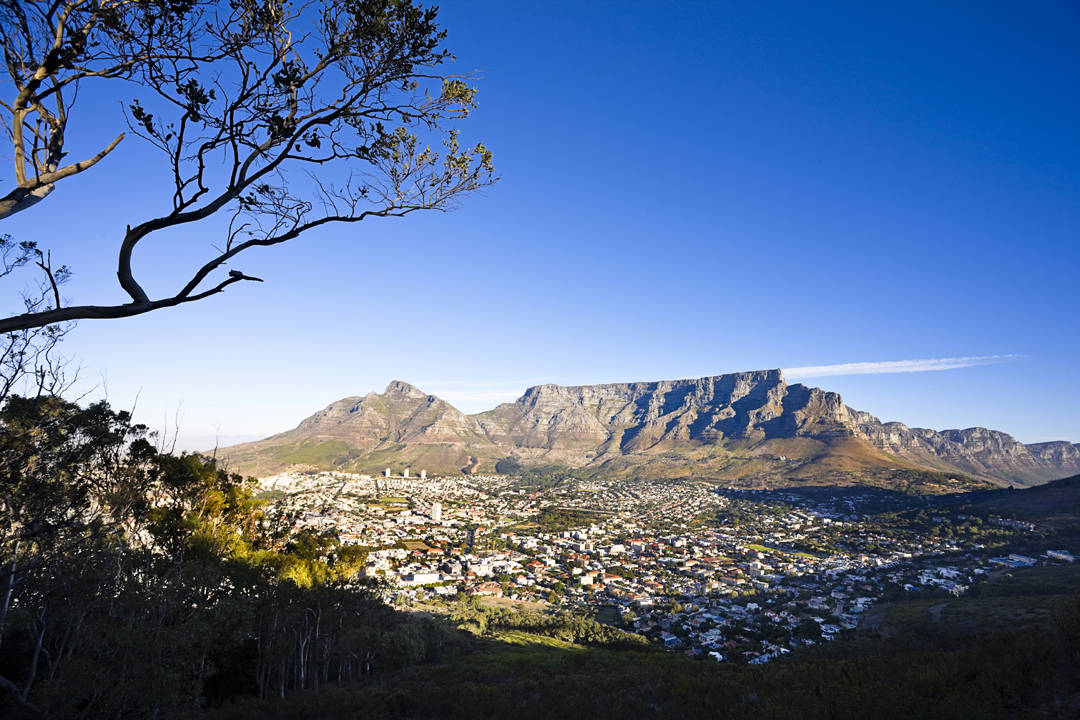
After breakfast, we take an orientation tour through the oldest city in South Africa, Cape Town. We visit the Company‘s Garden, probably the most beautiful park in Cape Town, and the South Africa Museum (admission included). Weather permitting, we will take the cable car up Table Mountain and enjoy the unique view (also possible on another day). Afterwards, you will have time to explore on your own or we will take you on our special, optional excursion to the world-famous ‘Waterfront’. The exquisite harbour district is one of the most popular highlights of the coastal city.
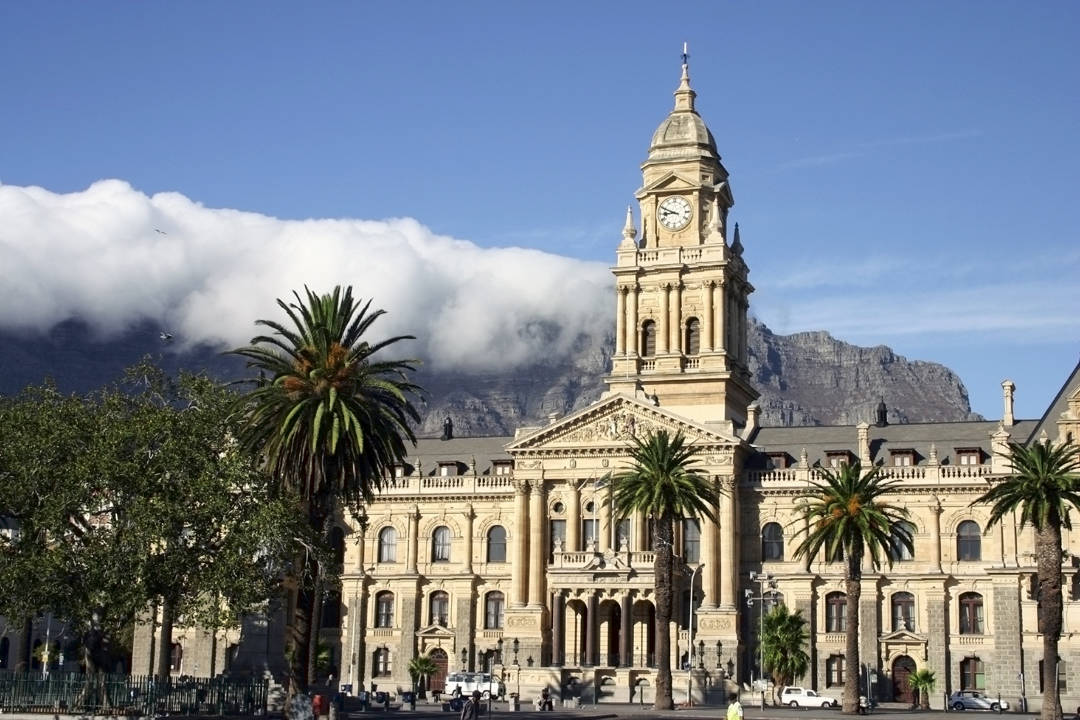
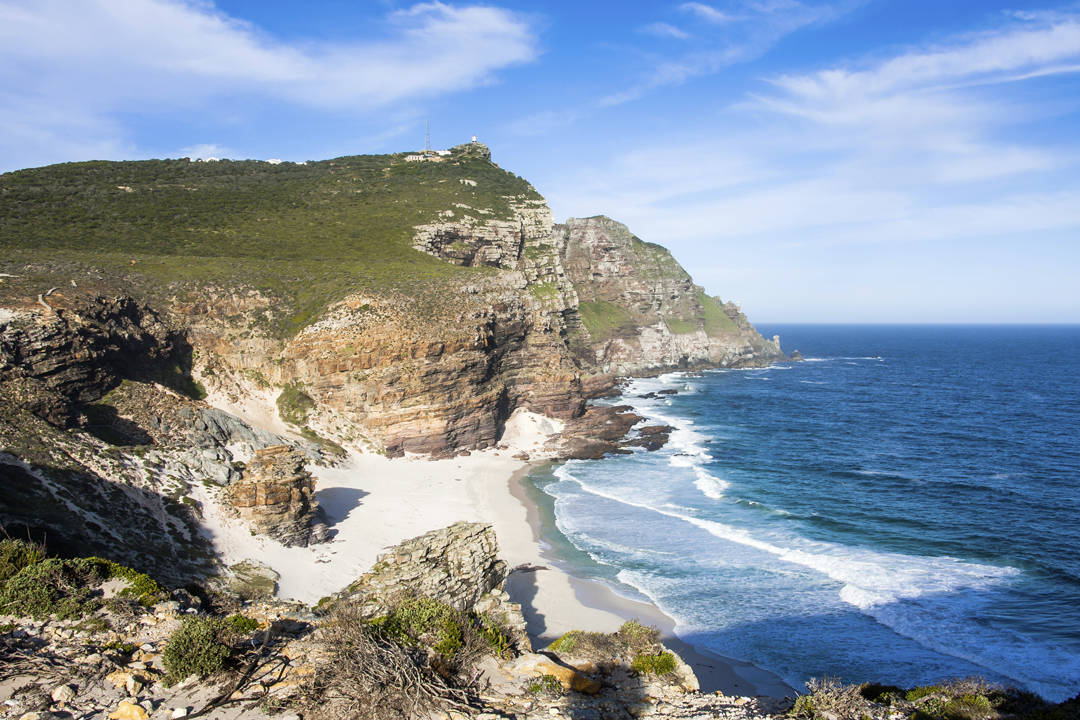
After a leisurely breakfast in Cape Town, lovingly referred to in South Africa as the ‘Mother City’, today’s itinerary has something particularly special in store for you. We will take you on a fascinating, optional trip to the Cape of Good Hope – the rocky, south-western tip of Africa. This is where the Atlantic and Indian Ocean meet and countless ships sank in the wild waters of the much-feared sea area. The way there leads along the ingenious Chapman‘s Peak Drive – surely one of the most beautiful panoramic roads in the world. Fantastic photo opportunities await us here! We then make our way to Cape Point and visit a penguin colony on Boulders Beach on the way back. With a bit of luck, we will be able to observe penguins in their natural environment. On day 10, we have plenty of time to explore Cape Town on our own until our return flight. Then it is time for us all to say goodbye. We spent an unforgettable holiday in great South Africa. New holiday friendships have been struck. Transfer to the airport and return flight to the UK. Arrival in the UK on day 11.
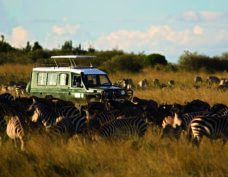
The package includes the three excursions ‘Waterfront in Cape Town’, ‘Boat trip in Knysna’ & ‘Cape of Good Hope’: only £219 p. p.
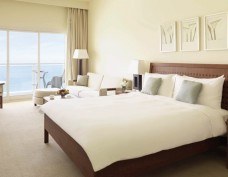
£349 p. p. (subject to availability)
| Jan | Feb | Mar | Apr | May | Jun | Jul | Aug | Sep | Oct | Nov | Dec | |
|---|---|---|---|---|---|---|---|---|---|---|---|---|
| Pretoria | 23 | 24 | 24 | 21 | 18 | 14 | 12 | 14 | 15 | 19 | 20 | 22 |
| London | 6 | 8 | 9 | 11 | 15 | 20 | 21 | 20 | 19 | 15 | 10 | 7 |
Below is an information overview. The conditions of entry, as well as the political and health situation, can change anywhere in the world at any time. We therefore recommend checking the website of the Foreign Office (www.gov.uk/) before your departure.
The Republic of South Africa is at the southern tip of Africa.
Parliamentary democracy with a strong Executive President and federal elements.
Pretoria
Predominantly Christian, with Muslim, Hindu and traditional African minorities.
All 11 national languages are official languages, incl. Afrikaans and English.
Dry to subtropically-humid
220 V, 50 Hz. 3-pin plugs. An adapter is required.
The time difference to Greenwich Mean Time (GMT) is +2. There is no summer/winter time adjustment in South Africa, so the difference to the UK is +1 in summer and +2 in winter.
To make phone calls to the UK, pre-dial 0044 (+44). To make phone calls from the UK to South Africa, pre-dial 0027 (+27).
Major cities are often characterised by strong contrasts. While better residential areas are often spaciously laid out, the ‘Townships’ – which are still home to the majority of the non-white population – largely feature basic housing or slum-like huts. But not all townships are necessarily slums – there are also townships in middle-class residential areas.
South Africa’s coastlines are ideal for bathing. Please note that strong (under)currents can prevail which can carry even experienced swimmers out to sea. Sharks also pose a potential risk. We urgently recommend enquiring about safe bathing locations and staying on beaches with lifeguards.
Where possible, taxis should only be reserved at reliable and well-known companies. As a general rule, hotels and B&Bs will be of assistance when it comes to making reservations. We urgently advise you to refrain from hitchhiking or travelling in so-called minibus taxis.
Tip recommendation: for chambermaids £1 per day and person and in restaurants at least 10% of the bill amount. For group tours, we recommend approximately £5 per day and person for the tour guide and coach driver. Of course, it is entirely up to each individual whether and how much tip they wish to give.
British nationals do not need a visa to visit South Africa for tourism purposes for a period of up to 90 days. Your ‘British citizen’ passport should be valid for a period of 6 months from the date of entry in South Africa and should have at least two blank pages. For more information, please see: www.gov.uk/foreign-travel-advice/south-africa/entry-requirements. You will not be able to enter or exit South Africa on an expired British passport with an extension stamp.
Entry requirements for British citizens can change at short notice. Legally binding information and/or more extensive information on entry requirements is only available from the Embassy or one of the Consulates of your destination country. Citizens of other countries are advised to contact the South African embassy for details on the entry requirements applying to them.
Whilst we endeavour to provide guidance where necessary, we can not be responsible for any problems encountered (whether at any point of entry or elsewhere) in the event that passport and visa requirements are not satisfied.
Your expert tour guides will be able to provide you with detailed information about the country, people, history, culture etc., and offer advice and assistance for organising your trip. They can also help with room allocation and look forward to welcoming you with initial information. Here you will find out all you need to know and useful information about the trip. We have put together a varied programme including numerous highlights, enabling you to experience the culture and diversity of landscape that South Africa has to offer, and learn all about the country and its people.
Although your trip already includes a comprehensive package, you also have the option of choosing added extras. We recommend booking the following packages:
Explorer package: The package includes the 3 excursions ‚Waterfront in Cape Town‘, ‚Boat Trip in Knysna‘ & ‚Cape of Good Hope‘: only £219* per person.
Half board: The package includes comfortable half board, i.e. 8× rich dinner: only £239* per person.
* Package prices may vary when booking on site.
The rand (ZAR) is the currency of South Africa. 1 ZAR = 100 Cents. Exchange rate (January 2026): 1 GBP = 22.07 ZAR. 1 ZAR = 0.04 GBP.
Find out in advance from your bank about possible fees for card payments abroad. In South Africa, girocards (EC cards) and credit cards can be used at ATMs with Cirrus or PLUS logos, provided they are enabled for use abroad. V Pay cards are not accepted. Fees are usually charged for withdrawals, except with fee-free travel credit cards. For security reasons, withdraw money during the day and at busy locations such as shopping centres or banks. The daily limit is between 2,000 and 6,000 ZAR (approx. £90 / £270). Credit cards are mainly accepted in cities, less so in rural areas. Cash can be exchanged in major cities upon presentation of your passport, often at better rates than at home, with the first opportunities already available at the airport. Only take the cash you need with you and leave larger amounts in the hotel safe. Due to the rising crime rate, you should not carry much money with you and instead use a money belt or neck pouch. The South African Reserve Bank offers further information.
Used personal items can be imported free of duty. More detailed customs information on importing goods is available from the South African embassy (https://www.sars.gov.za/customs-and-excise/travellers/arrival-in-sa/). Only the embassy can provide you with the legally binding information.
Important: If you are travelling to Great Britain from outside the UK, your personal allowances mean you can bring in a certain amount of goods without paying tax or duty. If you go over your allowances you must declare all your goods and pay tax and duty on all the goods in that category. Please inform yourself about the current customs regulations: www.gov.uk/bringing-goods-into-uk-personal-use/arriving-in-Great-Britain
South Africa has higher crime rates than the UK, especially in large cities and their suburbs. Most violent crime is in areas in which tourists are not usually affected. Nevertheless, British travellers can be the target and victim of theft, burglary, robbery and similar crimes. We urgently recommend refraining from resistance in the event of robbery. Good preparation and reasonable behaviour significantly reduce the likelihood of becoming a victim of a criminal offence. The following precautionary measures are recommended:
Depending on the severity of the offence, the possession, consumption, import/export and trafficking of drugs is punishable by a monetary fine and/or up to 25 years of imprisonment.
Prostitution is a criminal offence. Offences associated with child prostitution are subject to particularly long prison sentences.
Picking protected plants and catching protected species of animals is prohibited and can lead to substantive monetary fines and imprisonment. The same also applies for the unauthorised export of such flora and fauna. Nude bathing is also prohibited.
At least 8 weeks before your trip, check the latest country-specific health advice from the National Travel Health Network and Centre (NaTHNaC) on the TravelHealthPro website (https://travelhealthpro.org.uk/countries). Each country-specific page has information on vaccine recommendations, any current health risks or outbreaks, and factsheets with information on staying healthy abroad. As a general rule, the level of medical care is good. Private hospitals in larger cities are of a European standard while state hospitals are often crowded and suffer from budget cutbacks.
Important information: As a general rule, medical services and hospital treatment are subject to advance payment – sometimes to a significant sum. Conclusion of international health insurance with repatriation insurance is urgently advised.
Yellow fever: When travelling from a country declared by the WHO as a yellow fever endemic area, proof of valid yellow fever vaccination is required. A list of yellow fever endemic areas can be found at www.who.int. The border authorities have been instructed to implement these rules consistently and to either send back travellers with the corresponding travel profile who do not avail of vaccination documents or to quarantine them for six days at their own expense.
Diarrhoea: Most diarrhoea disorders can be avoided by observing the following hygiene rules: Only use water from a safe source, e.g. bottled water, never tap water. Also use drinking water for washing dishes and brushing your teeth. Boil, peel or disinfect food. Make sure your food is safe from flies. Wash your hands with soap as often as possible but always after using the bathroom, before preparing food and before eating.
Malaria: Malaria is transmitted by nocturnal Anopheles mosquitoes and can break out weeks to months after a stay in risk areas such as the Kruger Park or Mpumalanga. Before travelling, you should discuss medication with a tropical medicine specialist and take an adequate supply with you. For protection, light-coloured, long clothing, insect repellent and a mosquito net are recommended.
Rabies: There are repeated cases of rabies in South Africa, currently occurring more frequently among seals in the Western Cape region (especially in the greater Cape Town area). It is advisable to avoid contact with animals and to seek medical advice immediately in the event of a bite.
Bilharzia: This disease occurs in all South African bodies of water. Avoid swimming in freshwater lakes and rivers to minimise the risk of infection.
Mpox (monkeypox): According to information from the South African Department of Health, there is currently a nationwide increase in the viral disease Mpox. At present, there is no vaccine against this disease in South Africa. Precautionary measures and hygiene should be observed.
As a general rule, the level of medical care is good. Private hospitals in larger cities are of a European standard while state hospitals are often crowded and suffer from budget cutbacks. Medical services and hospital treatment are subject to advance payment – sometimes to a significant sum.
It is strongly recommended to take out international health insurance with the option of medical repatriation to the UK.
Customers must ensure that they are in good physical and mental health in line with the trip in question. Customers must enquire about the physical mobility and psychological autonomy required for this trip.
All information is subject to change / Last updated: January 2026
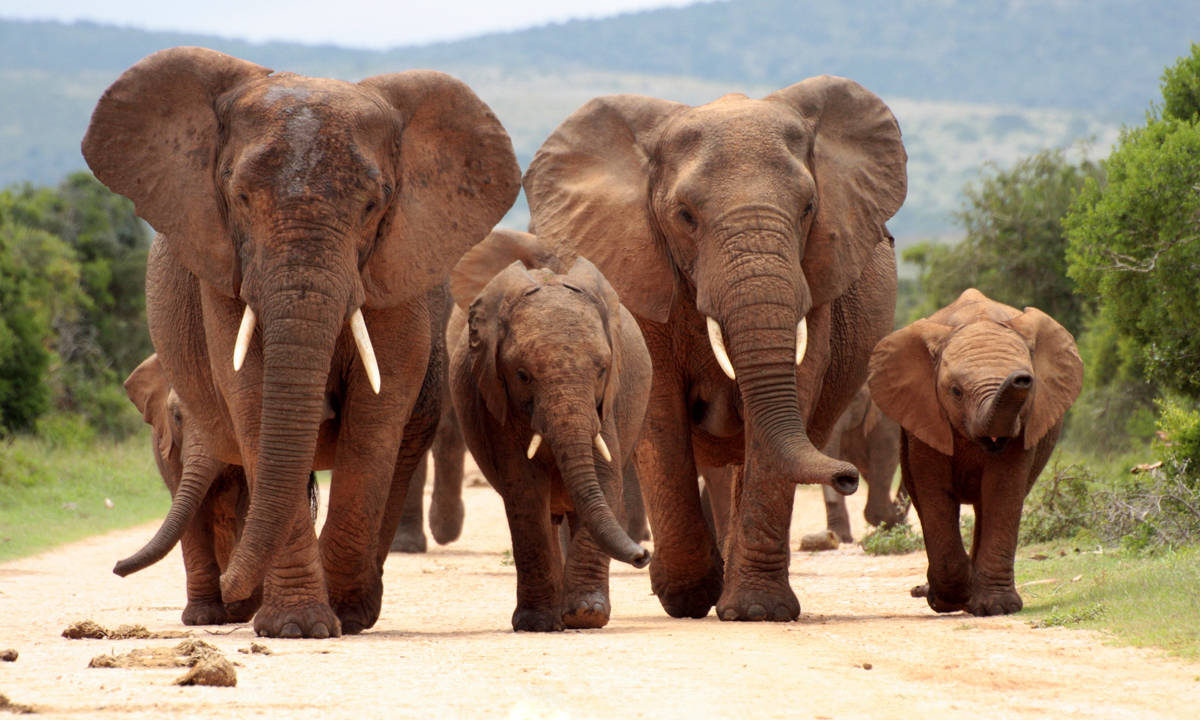
Kruger National Park