 Travel highlights
 Europe
 Asia
Asia
 America
 Africa
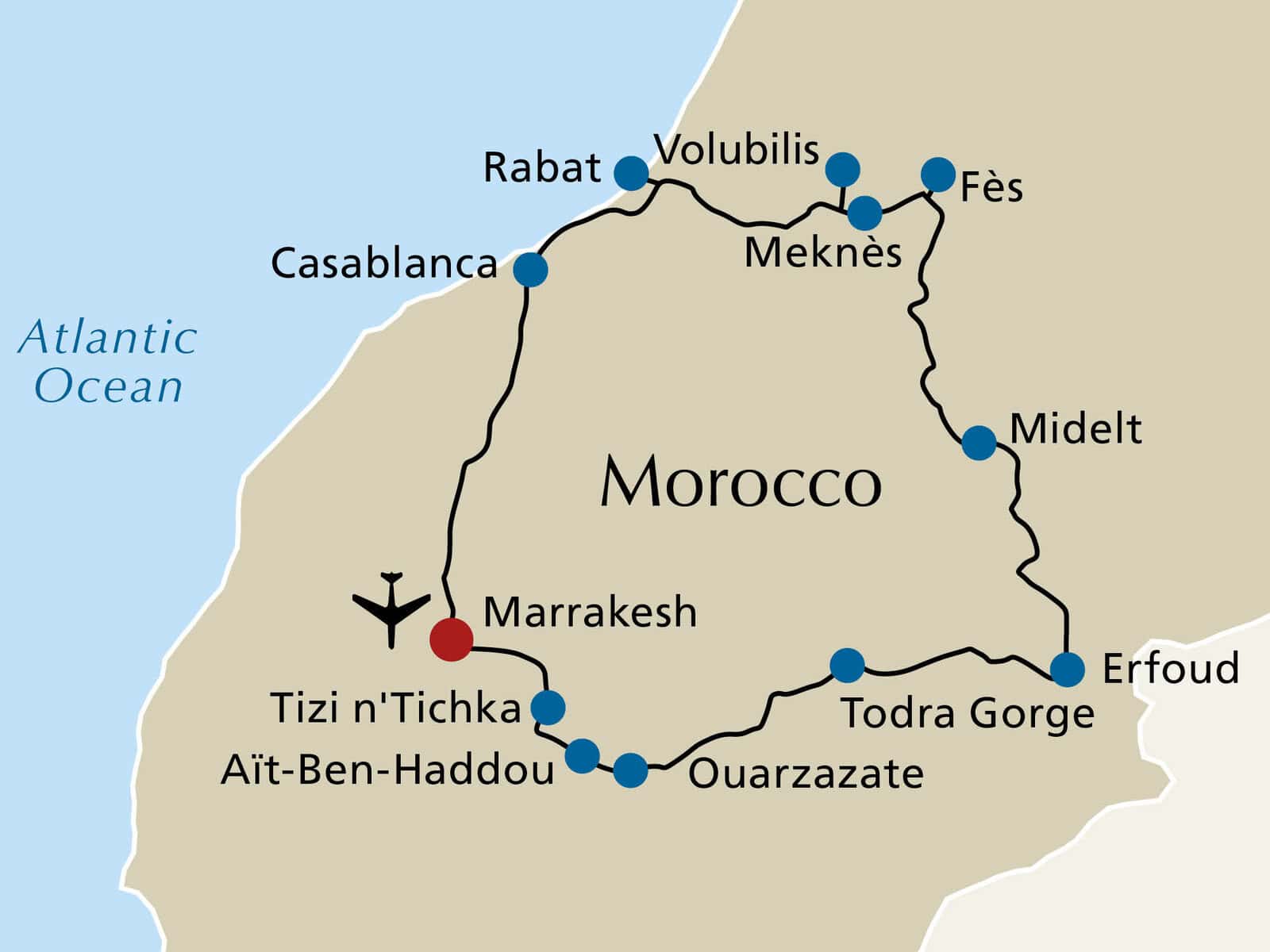
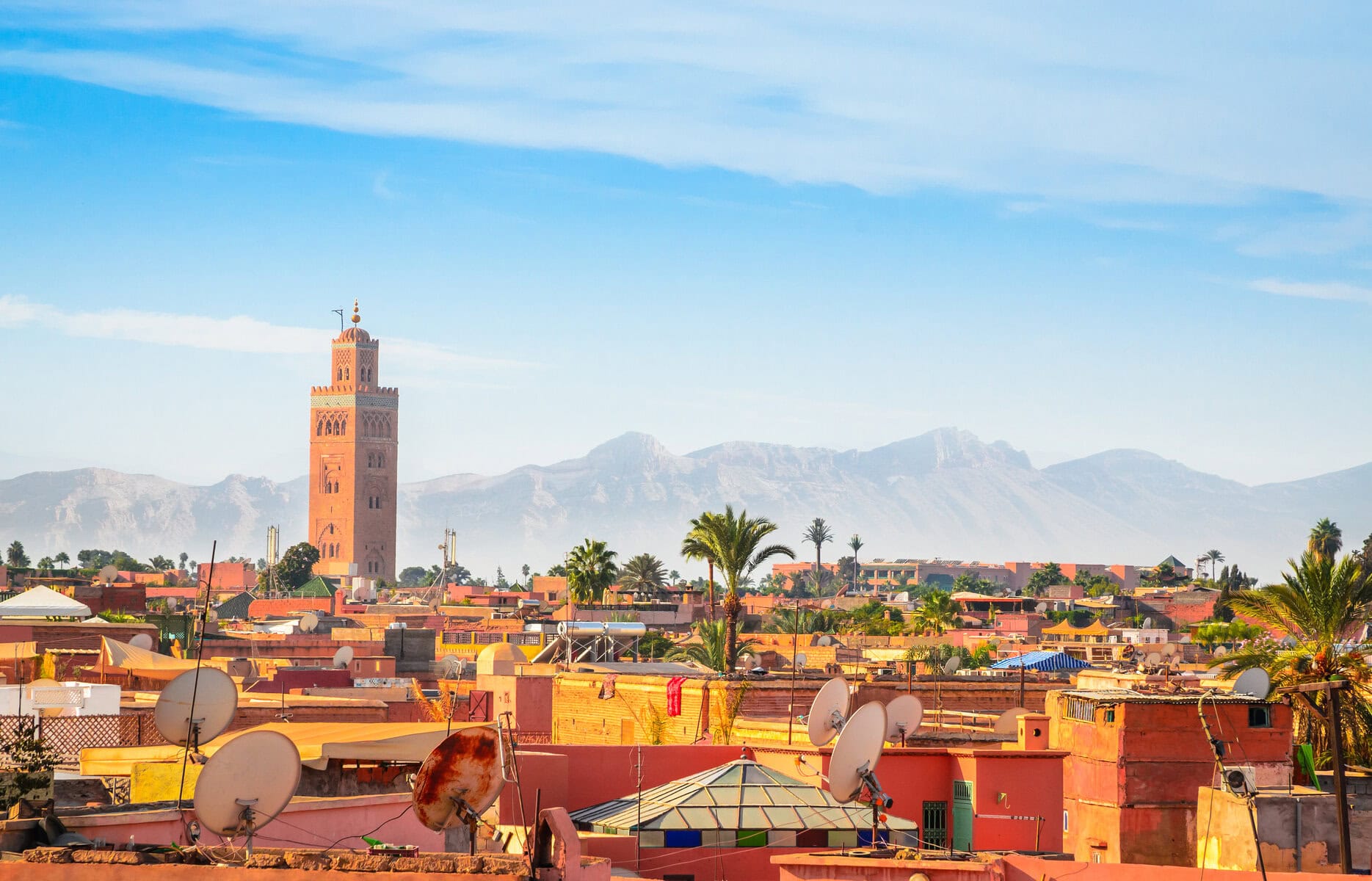
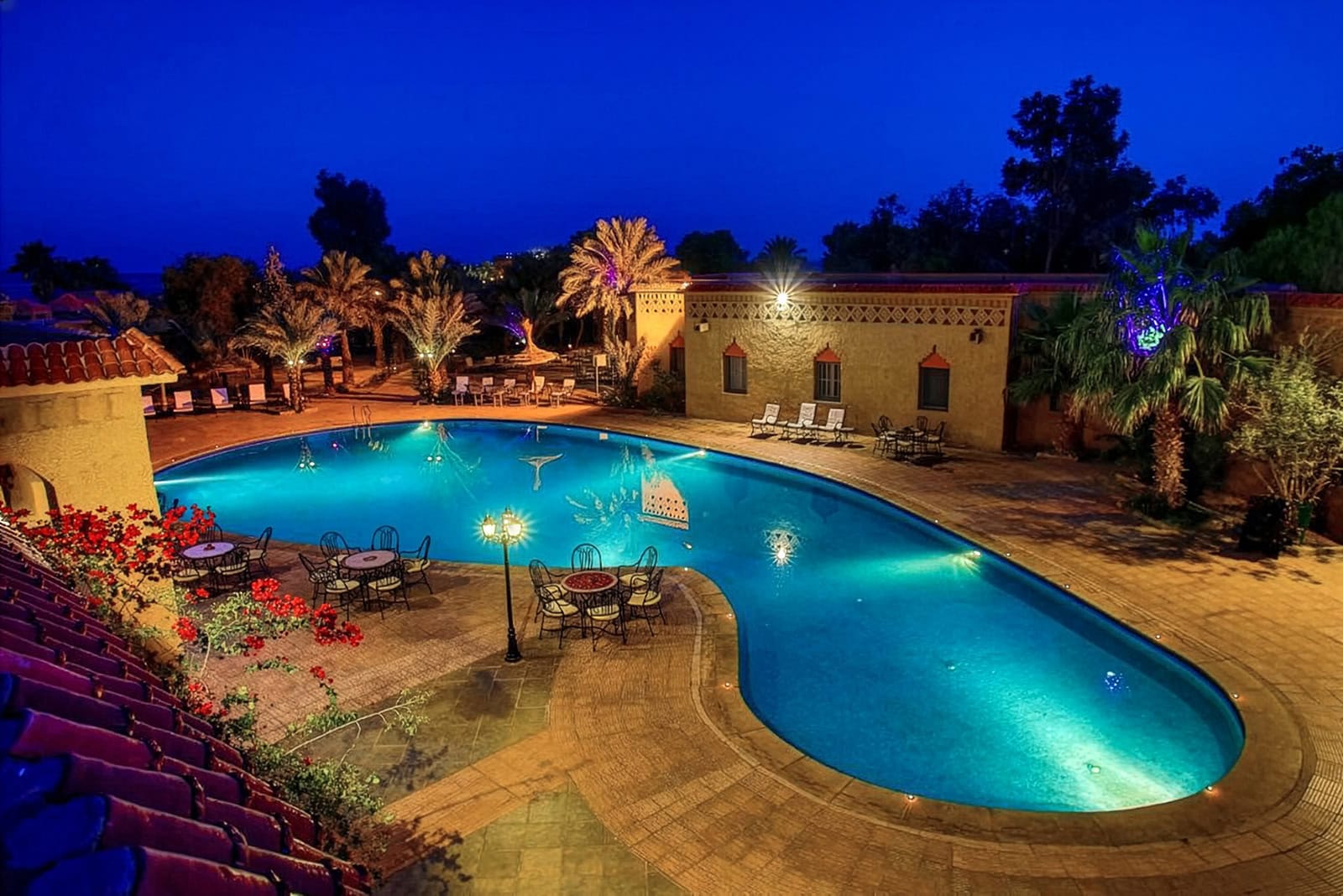
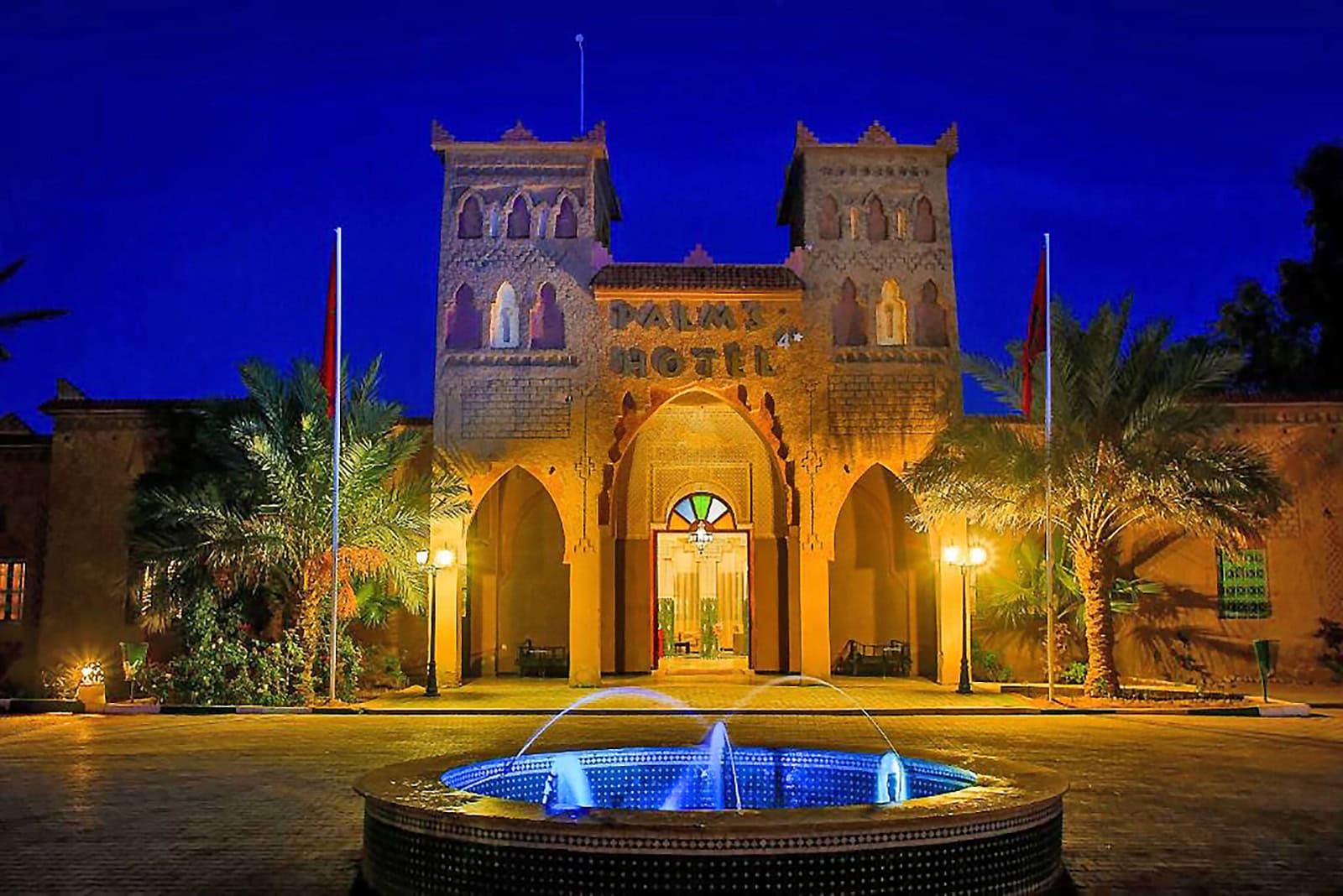
After our relaxing flight, we arrive in the enchanting royal city of Marrakesh. Our friendly, English-speaking cultural tour guide welcomes us at the airport and accompanies us to our comfortable 4-star hotel, where we will spend the first two nights.
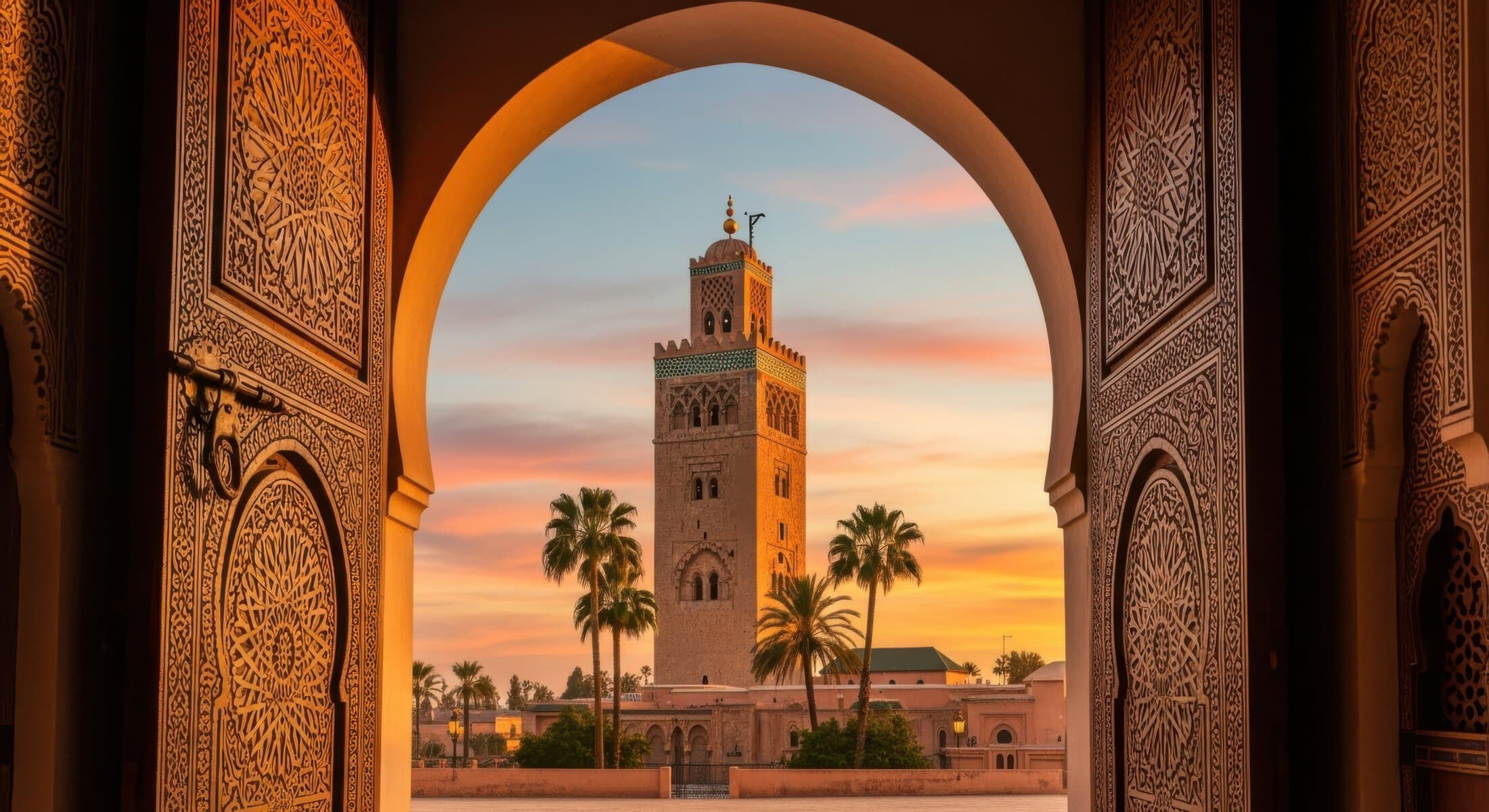
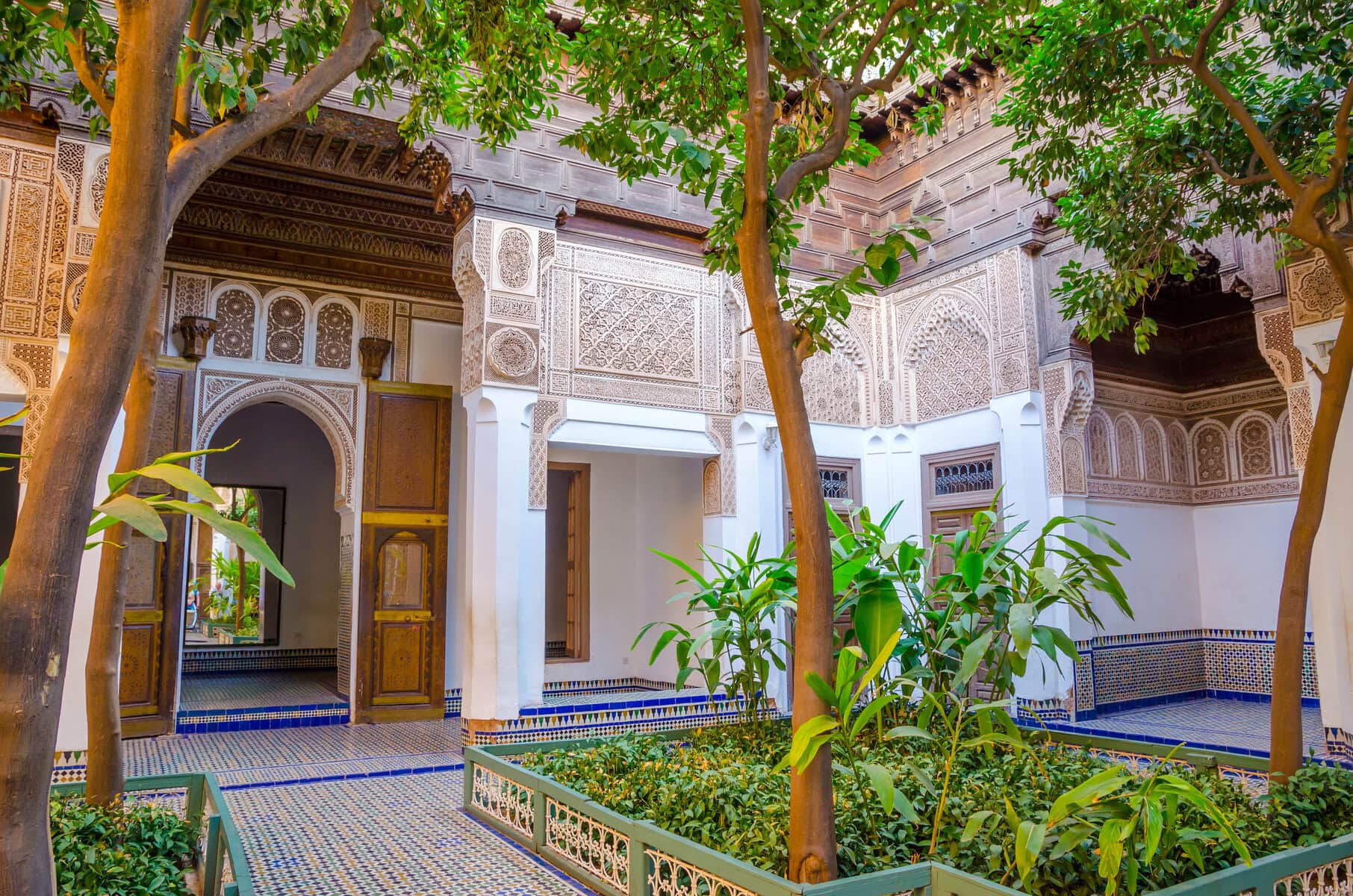
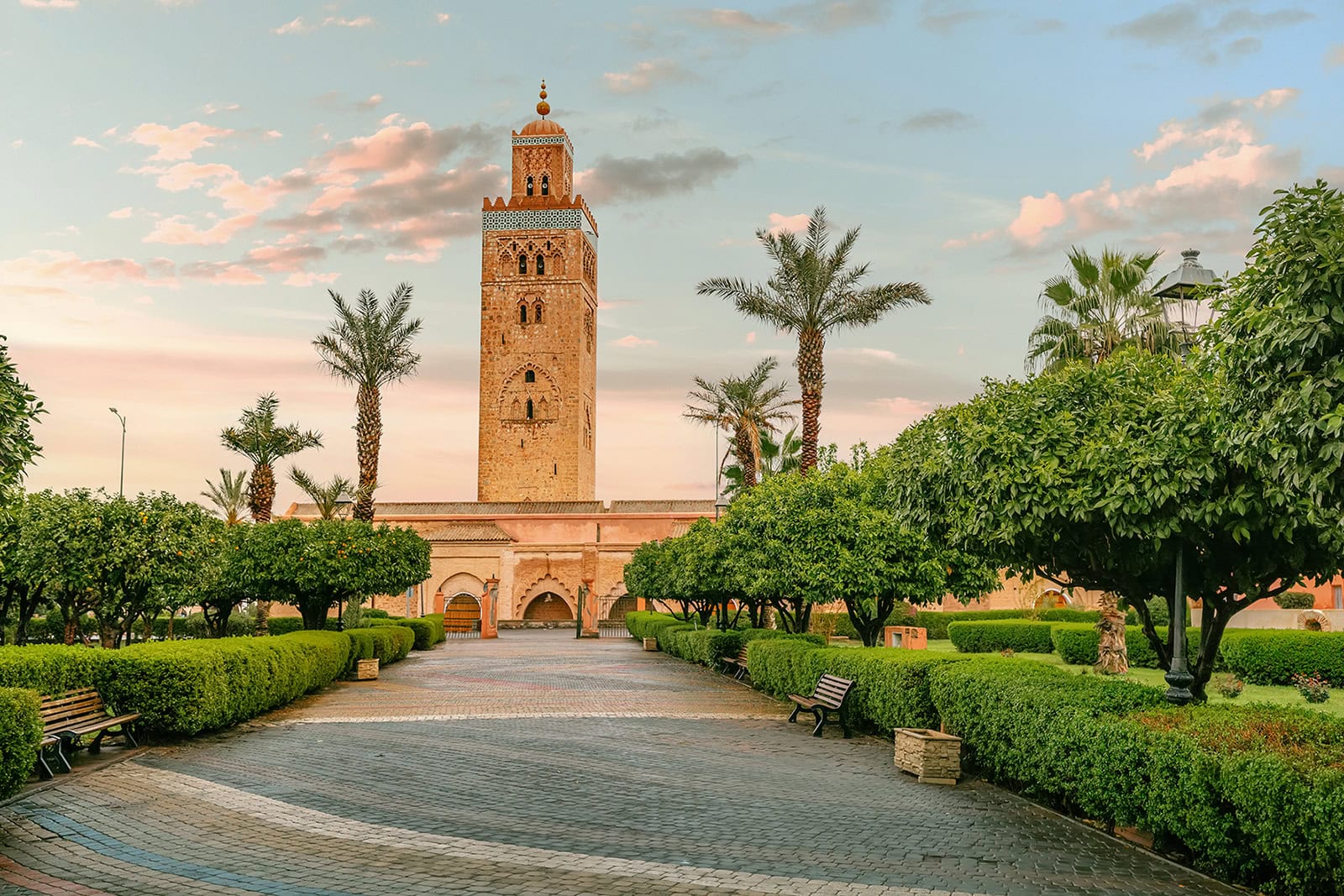
Today we spend the day in Marrakesh, the ‘Pearl of the South’ and the second oldest imperial city in Morocco. We marvel at the Koutoubia Mosque, including the Koutoubia Minaret, the landmark of Marrakesh. We also experience the magnificent Bahia Palace from the outside and the incomparable Medina (UNESCO World Heritage) with its charm from 1,001 Nights. This labyrinth of alleys, passageways and vaults enchants us. Afterwards, we enjoy the hidden beauty of the secret gardens of Marrakesh, which offer a retreat from the vibrant streets of the city. Marrakesh is also known for the Marrakesh Museum, which showcases the city‘s rich culture and history. We end this eventful day at the famous Jemaa el-Fnaa square, surrounded by oriental music, regional food, and fascinating street performers.
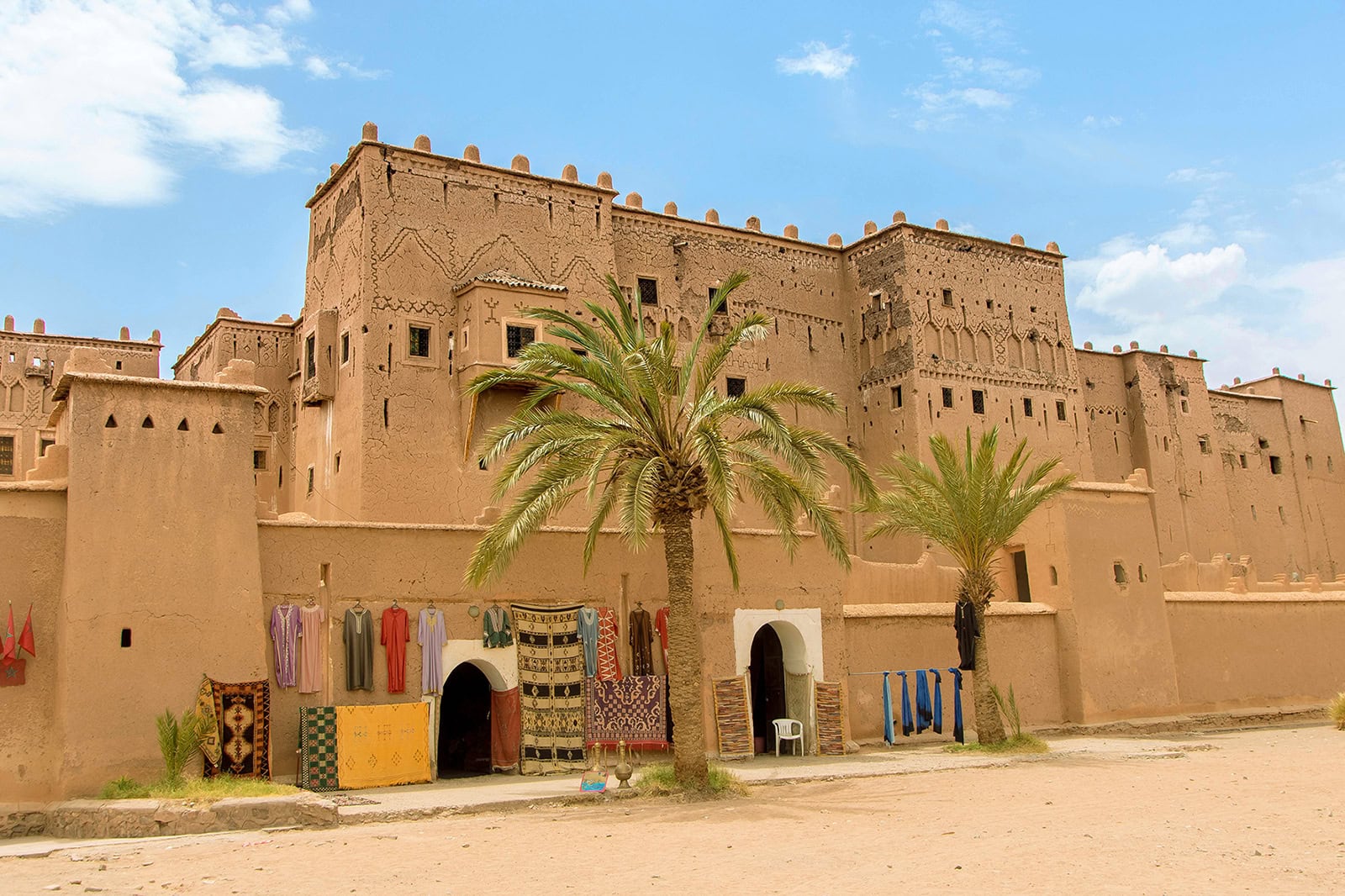
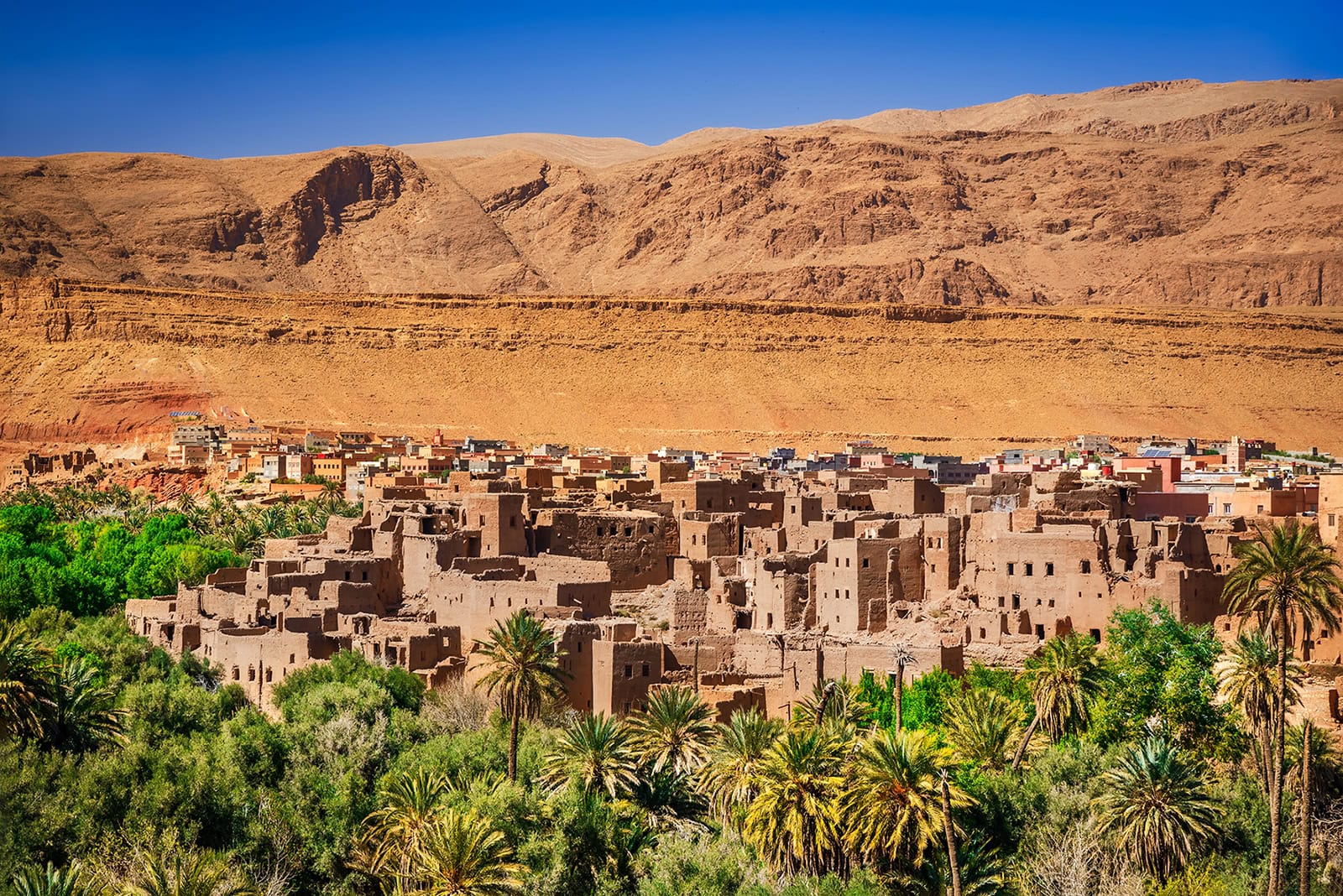
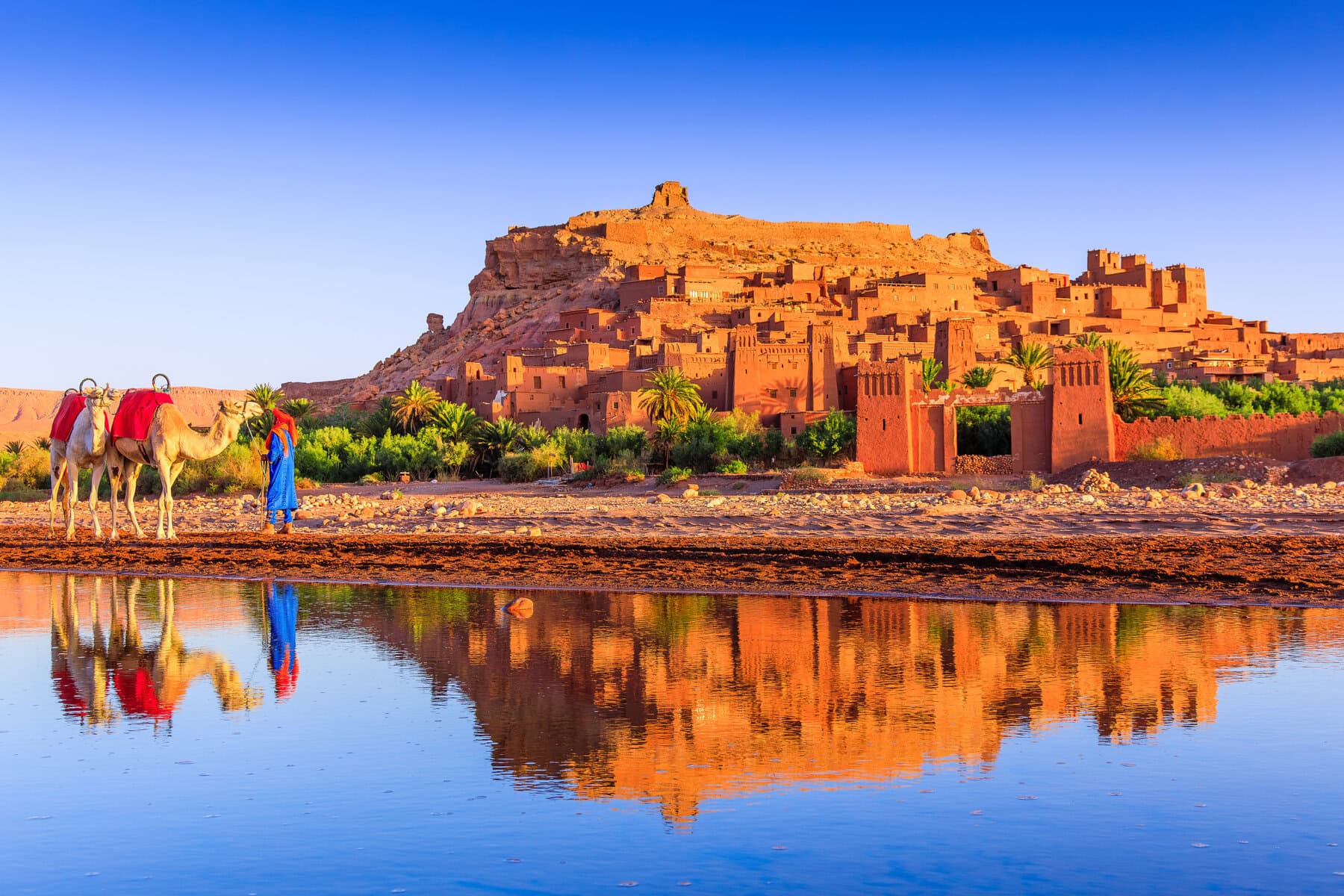
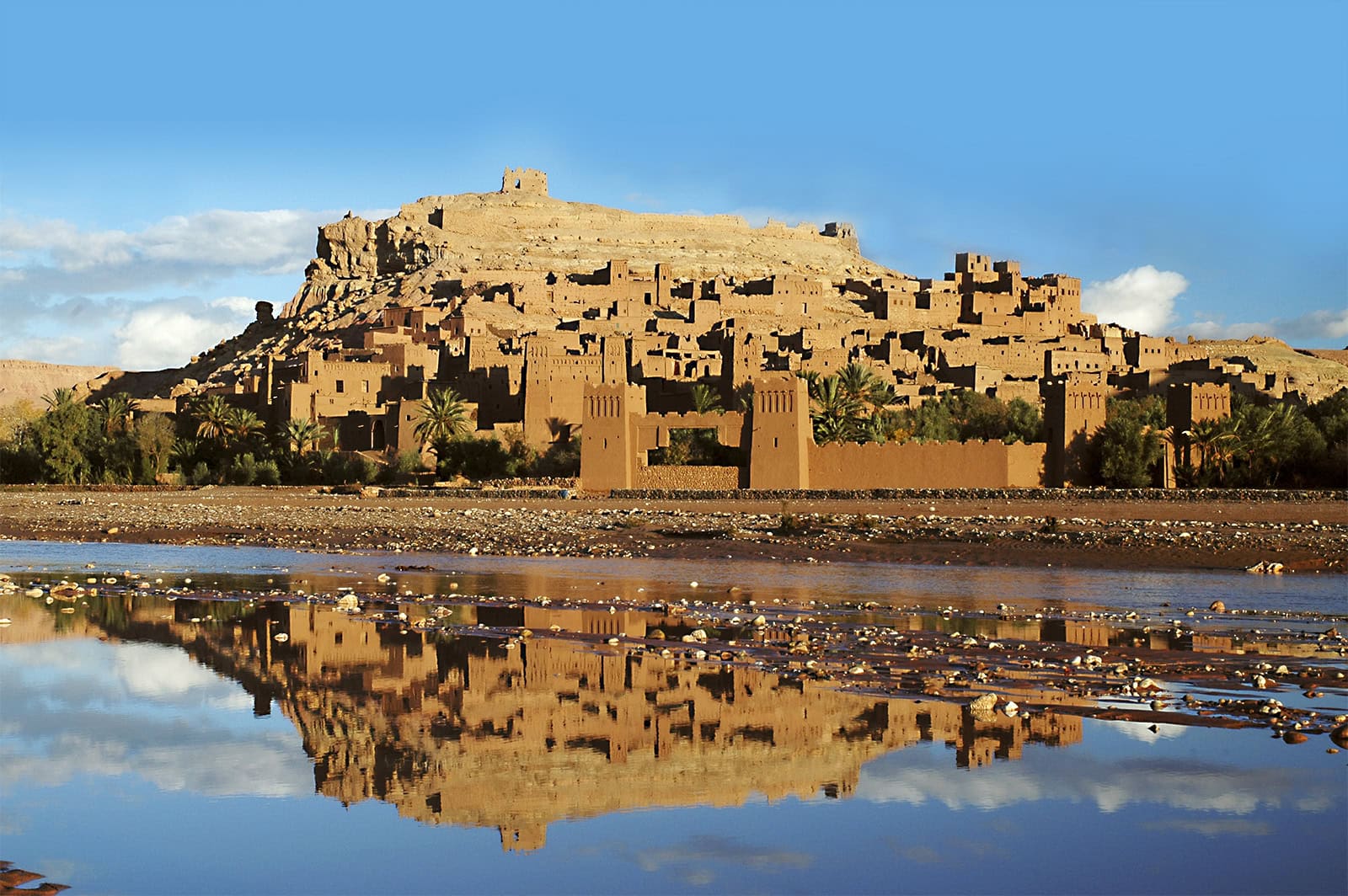
In the morning, we set off with breathtaking views over the Tizi n’Tichka Pass (7,415 ft) towards the renowned desert region of Ouarzazate. On the way, we are awaited by an incomparable UNESCO World Heritage Site: The historic site of Aït-Ben-Haddou. Hollywood classics such as ‘Lawrence of Arabia’ and ‘Game of Thrones’ were filmed here. We explore the labyrinthine alleys and the characteristic adobe architecture before continuing on to Ouarzazate. There, we will be welcomed by a Berber family and, as a sign of hospitality, invited to enjoy a delicious Moroccan tea. If you wish, you can also visit the Kasbah Taourirt, an impressive residence of the former ruling Glaoui family. We will spend the night in a comfortable 4-star hotel in the Ouarzazate area.
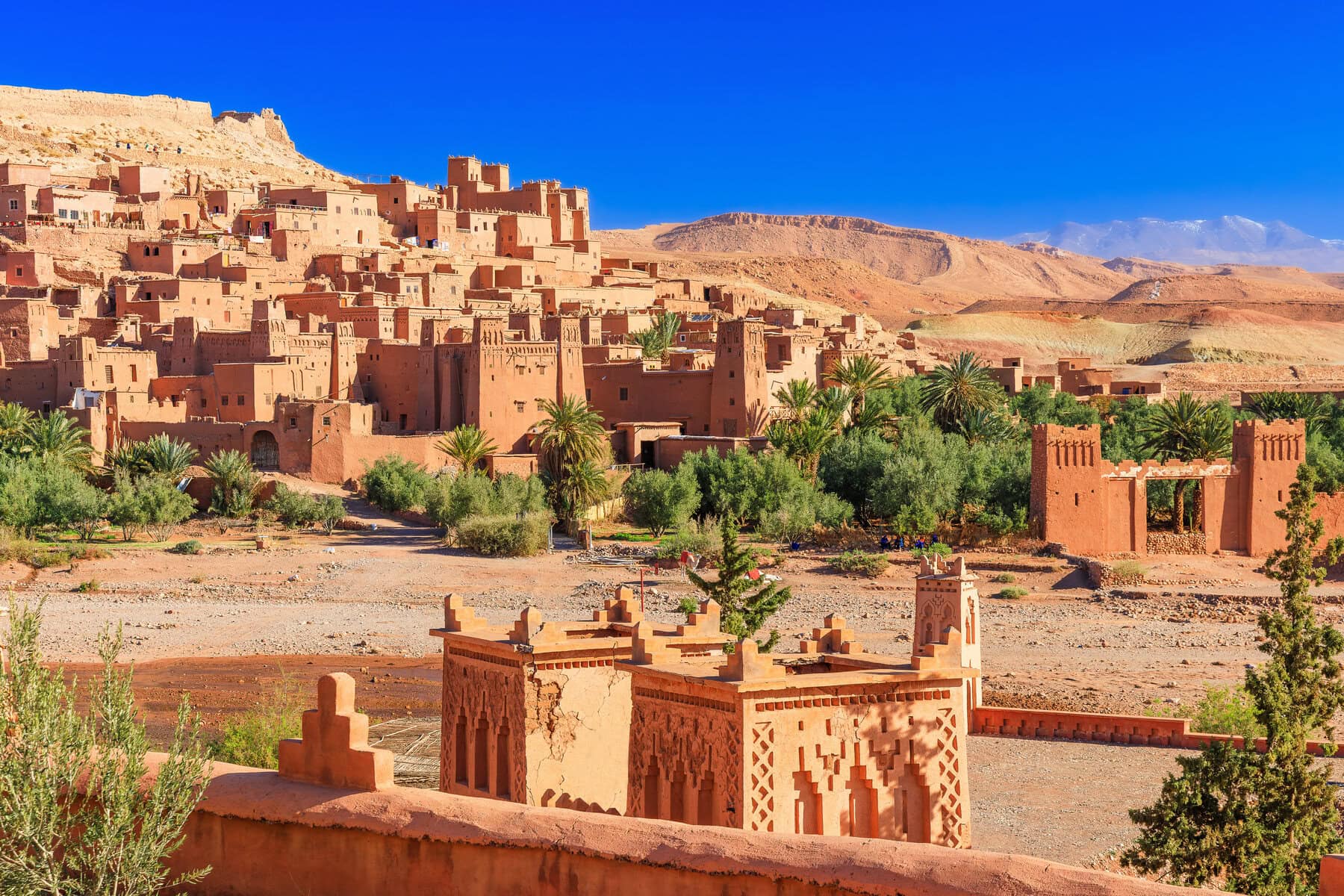
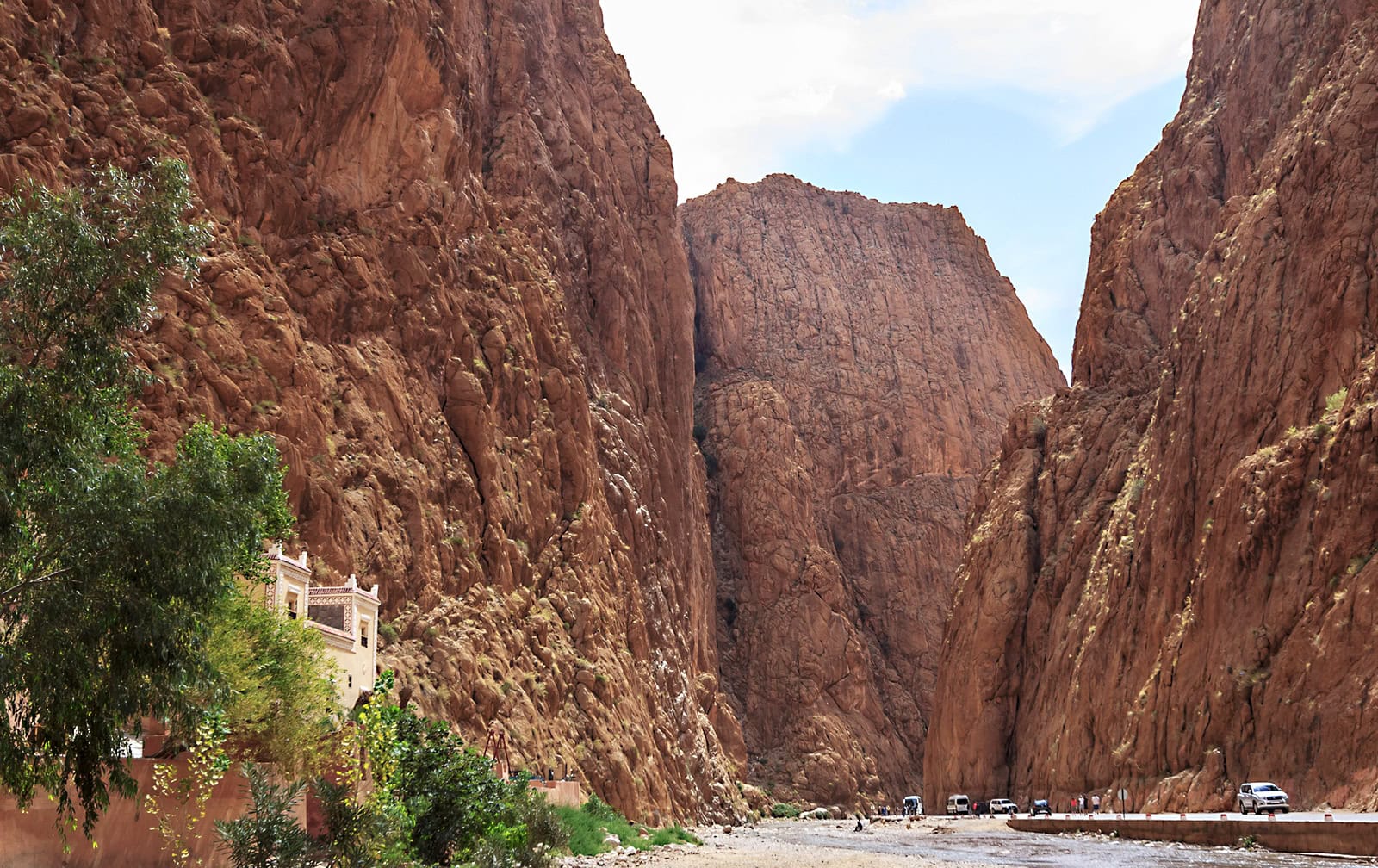
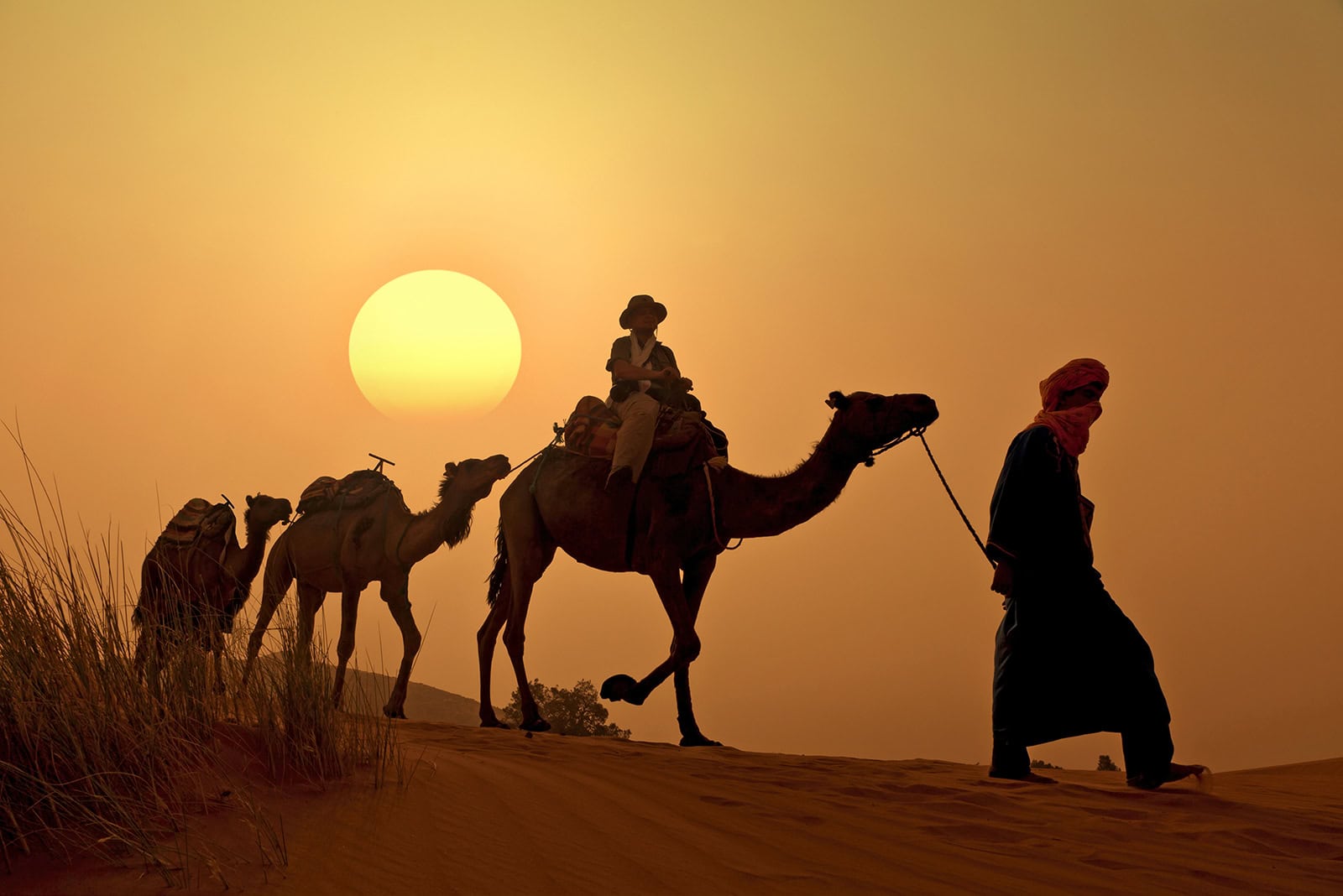
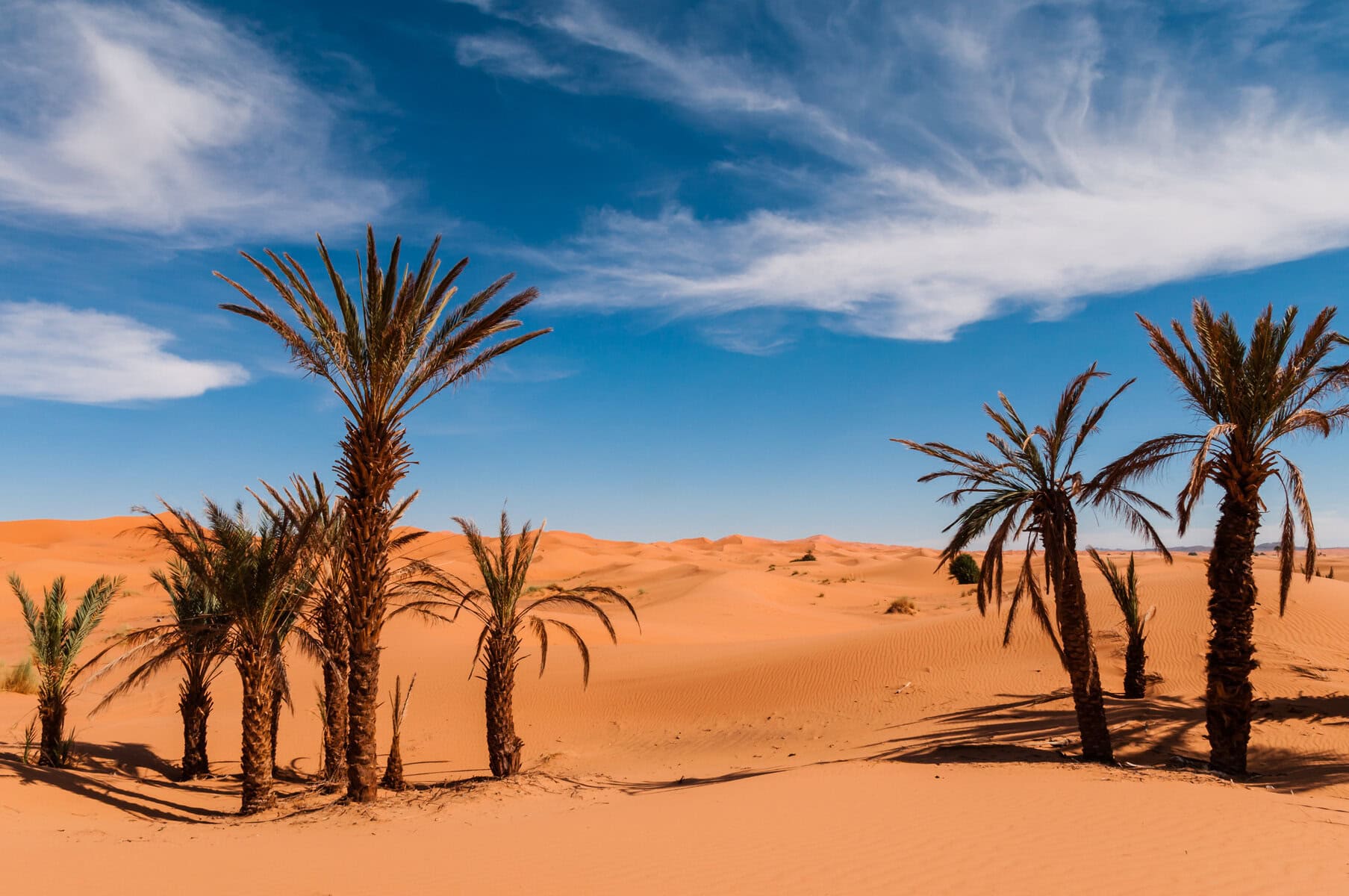
Today we are travelling to Erfoud, the ‘Gateway to the Sahara’. On the way, we will stop in Tinghir, a charming town surrounded by beautiful palm groves that enchants us with its lively markets and local culture. Afterwards, we continue to the breathtaking Todra Gorge, whose rugged rock walls rise steeply up to 1,968 ft along the banks of the river that flows through it, bearing witness to the indescribable creative power of nature. Upon arrival in Erfoud, we are happy to invite you on a fantastic, optional jeep tour to Merzouga, to experience the largest desert in the world, the Sahara, up close. In the evening, let yourself be impressed by an unforgettable sunset in the Sahara. We will spend the night happily and in 4-star comfort in the Erfoud area.
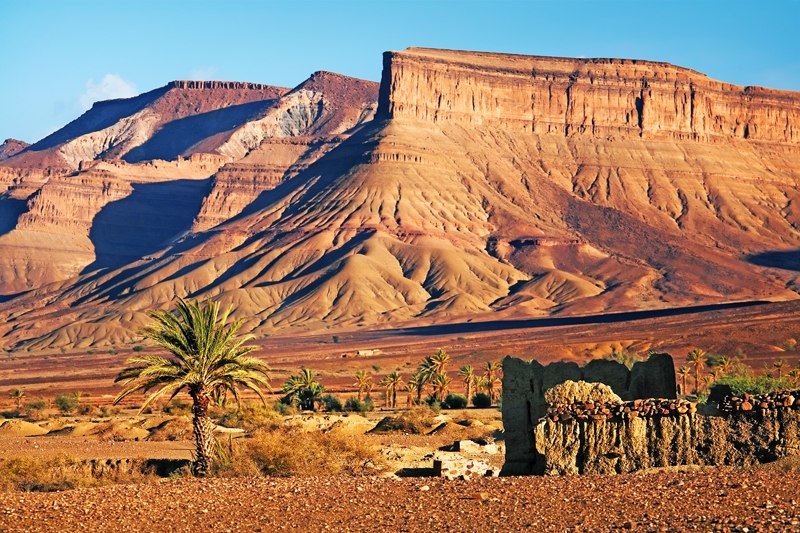
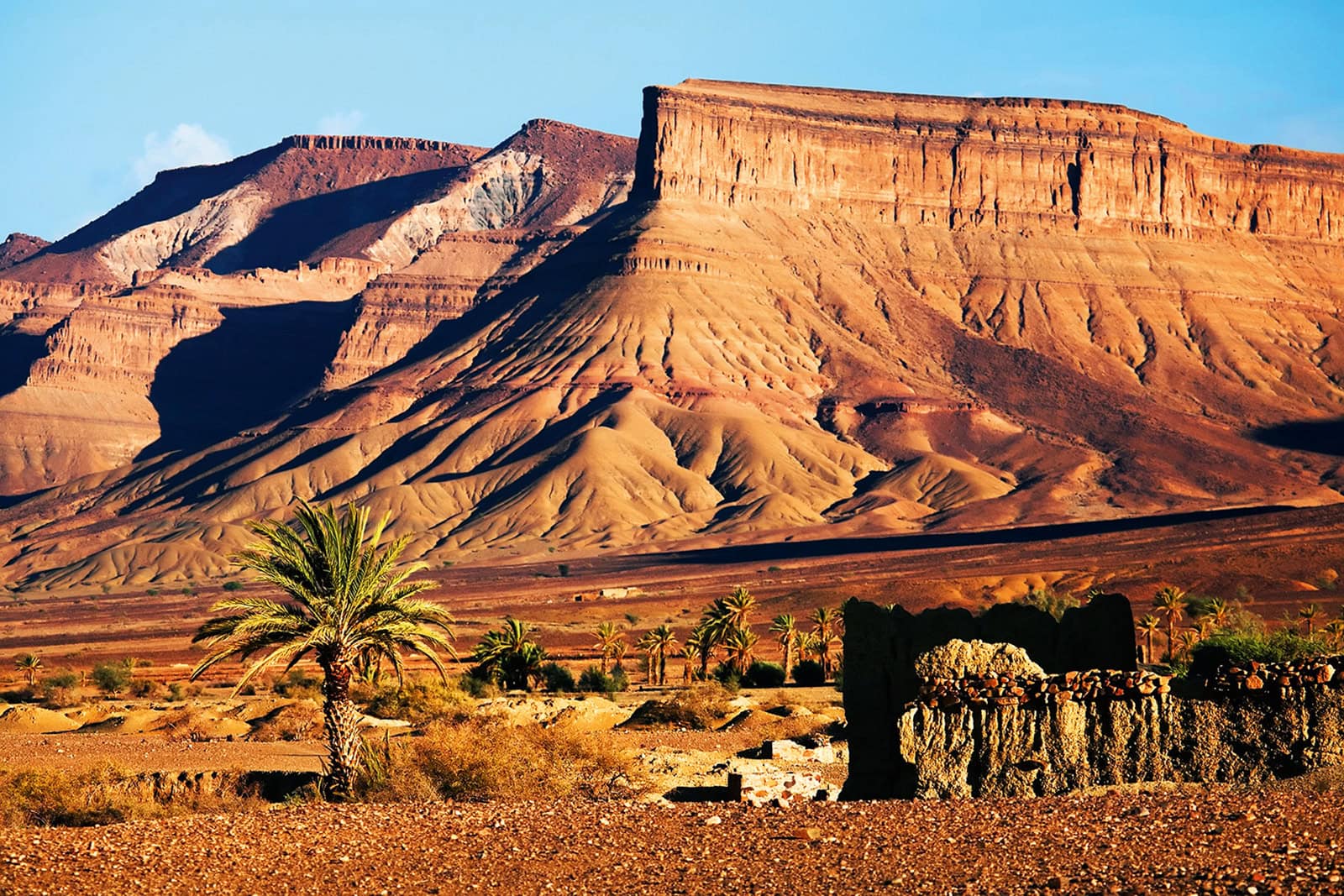
Early in the morning, we set off on an impressive panoramic drive to Fès. We travel through the colourful Ziz Valley, which is known for its lush palm gardens and ancient fortifications (kasbahs). On the way, we stop in Midelt, a tranquil town between the Middle and High Atlas, and enjoy the unique view of the mountains. Afterwards, we continue through the beautiful mountain landscape of the Middle Atlas and the mountain town of Ifrane – also called ‘Little Switzerland’. Vines, olives and holm oaks line the route, while pines, cedars and eucalyptus dot the mountain slopes. In the late afternoon, we reach Fès.
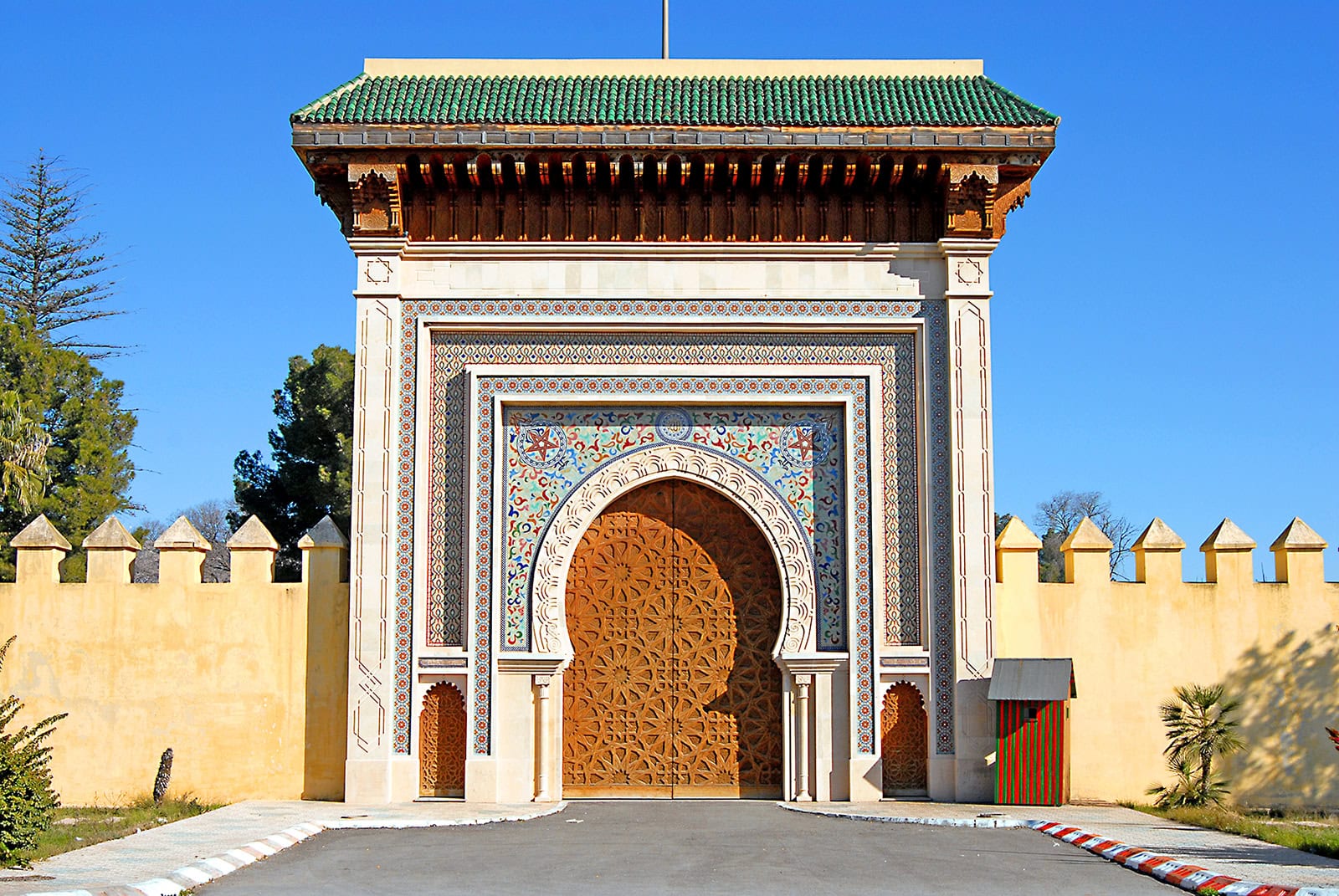
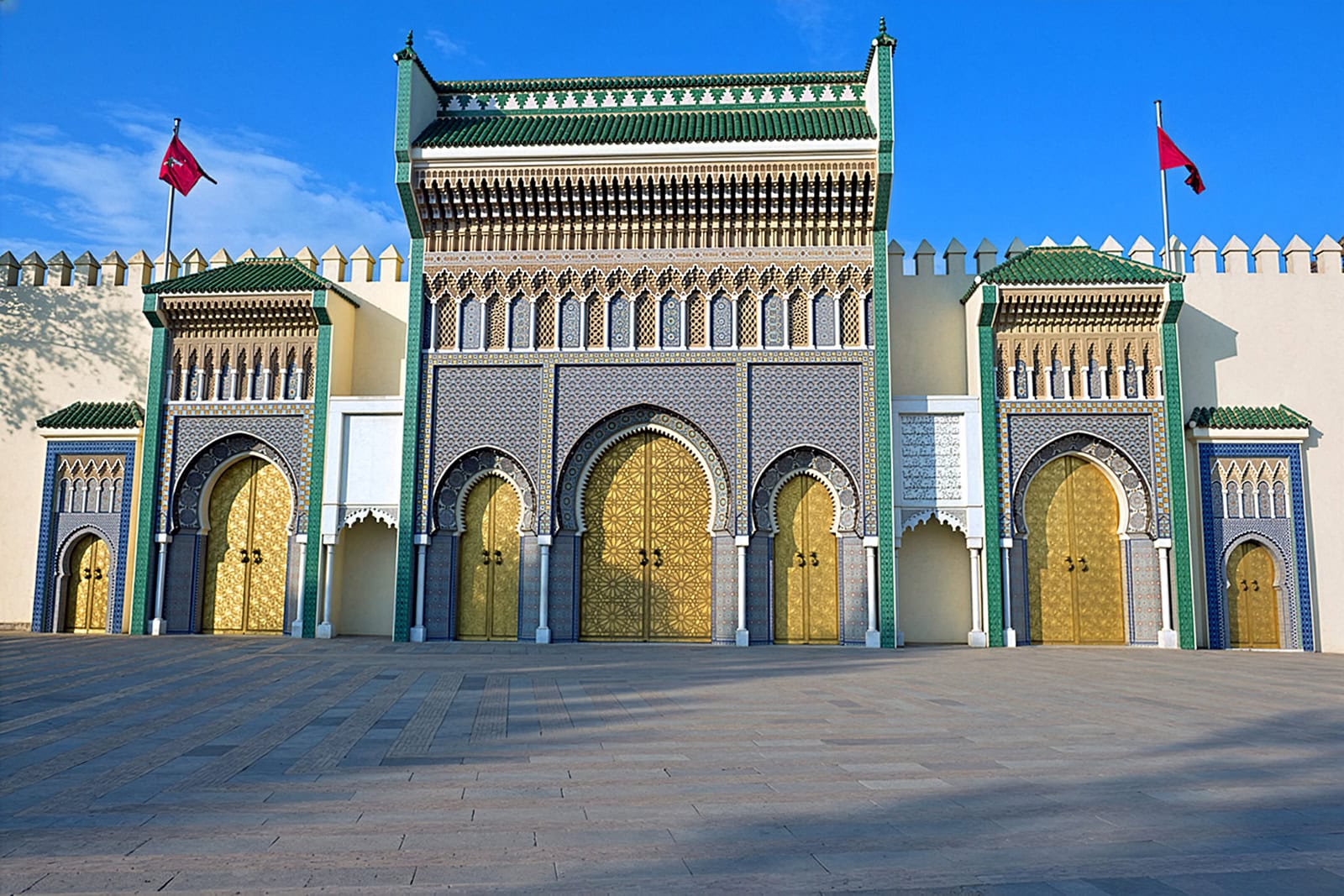
The royal city of Fès is simply marvellous! Its spectacular medina is a labyrinth of narrow alleys, one of the world’s largest old towns and a fascinating UNESCO World Heritage Site. Here, we feel transported back to bygone centuries. The royal palace gleams before us with its golden shimmering gates. Then we explore the Mellah, the historic Jewish quarter, before experiencing the Medersa Bouanania, an impressive theological school from the 14th century. We end this splendid day with a visit to Borj Nord, a fortress from the 16th century, which offers an unforgettable panoramic view of Fès.
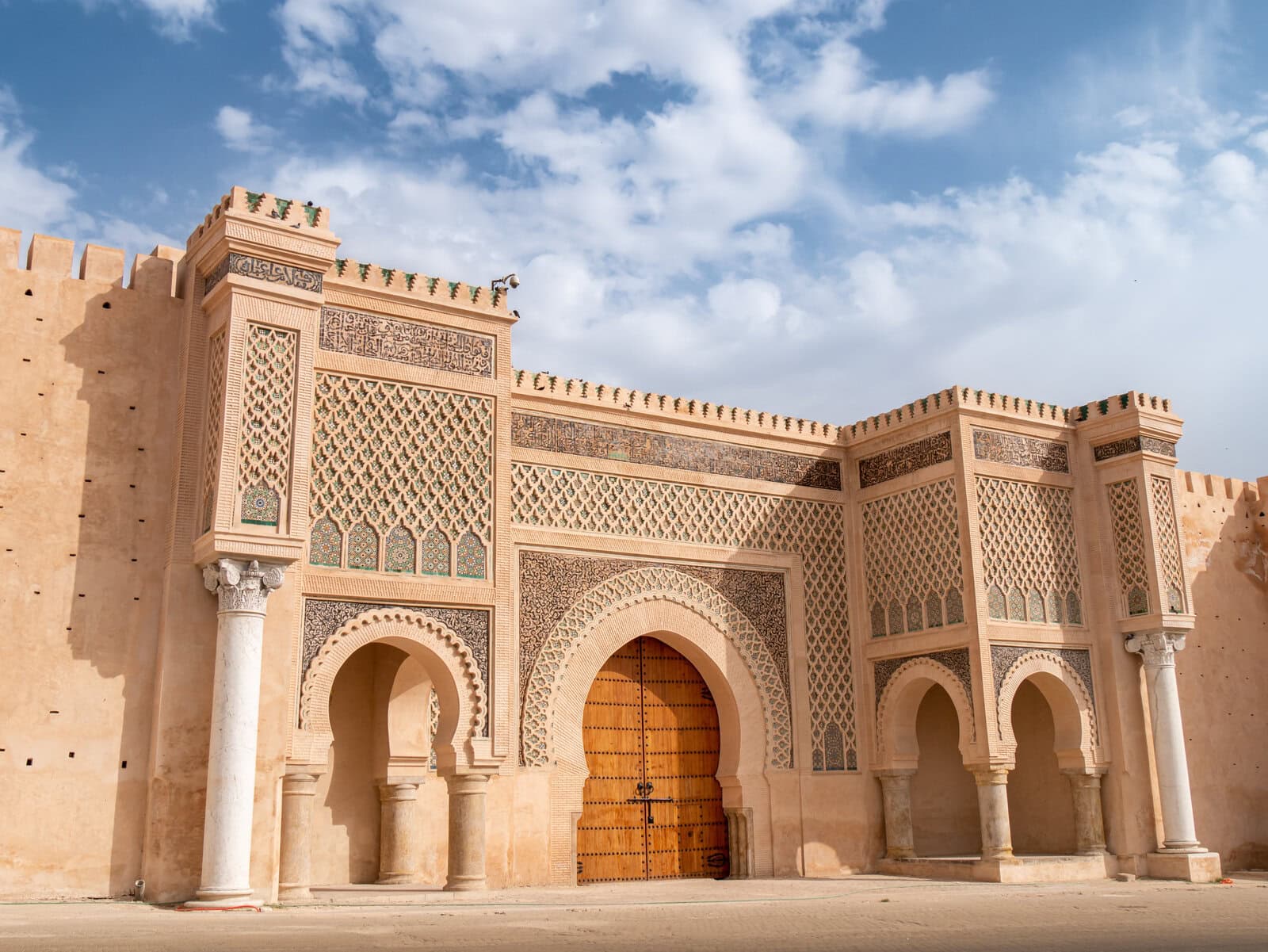
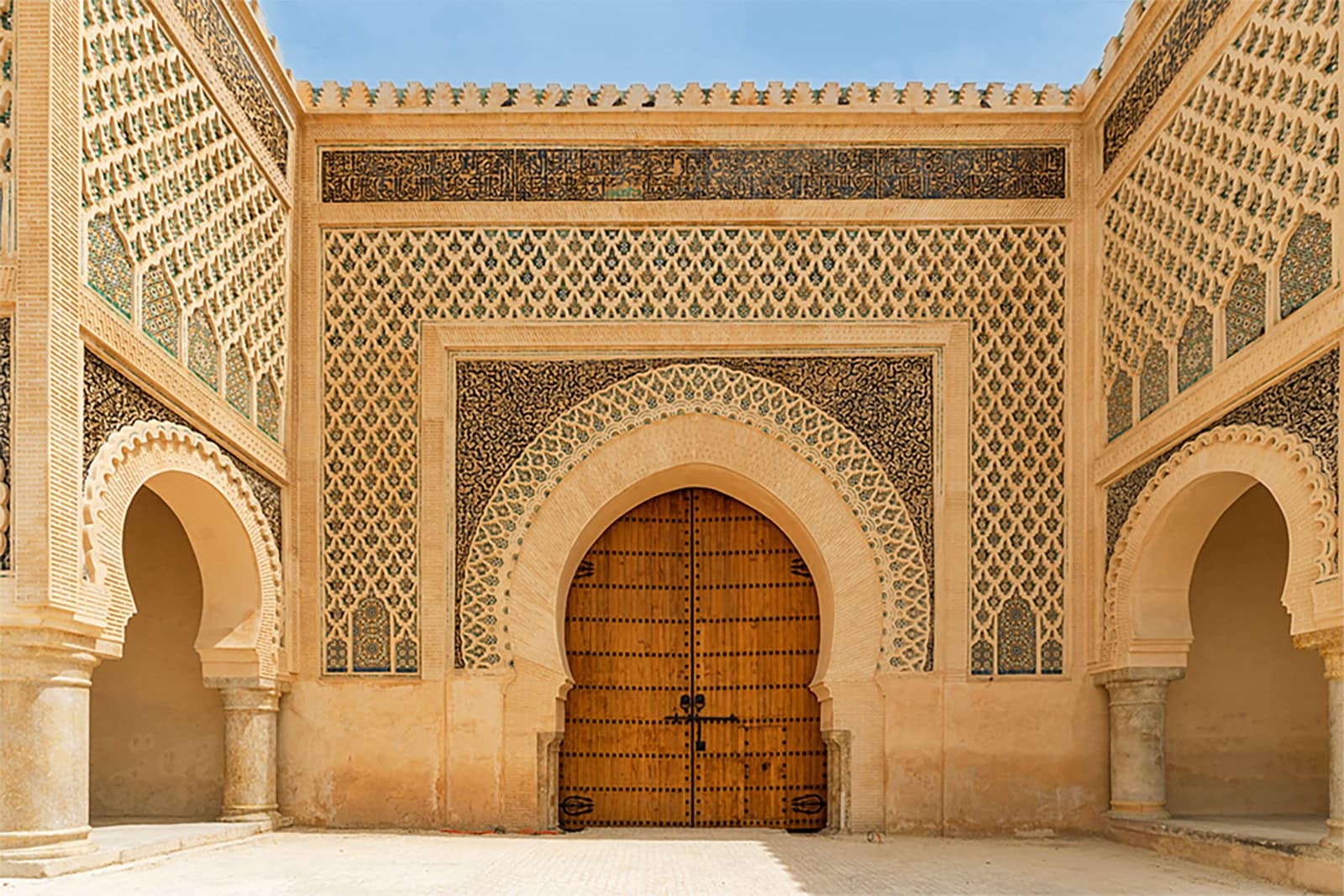
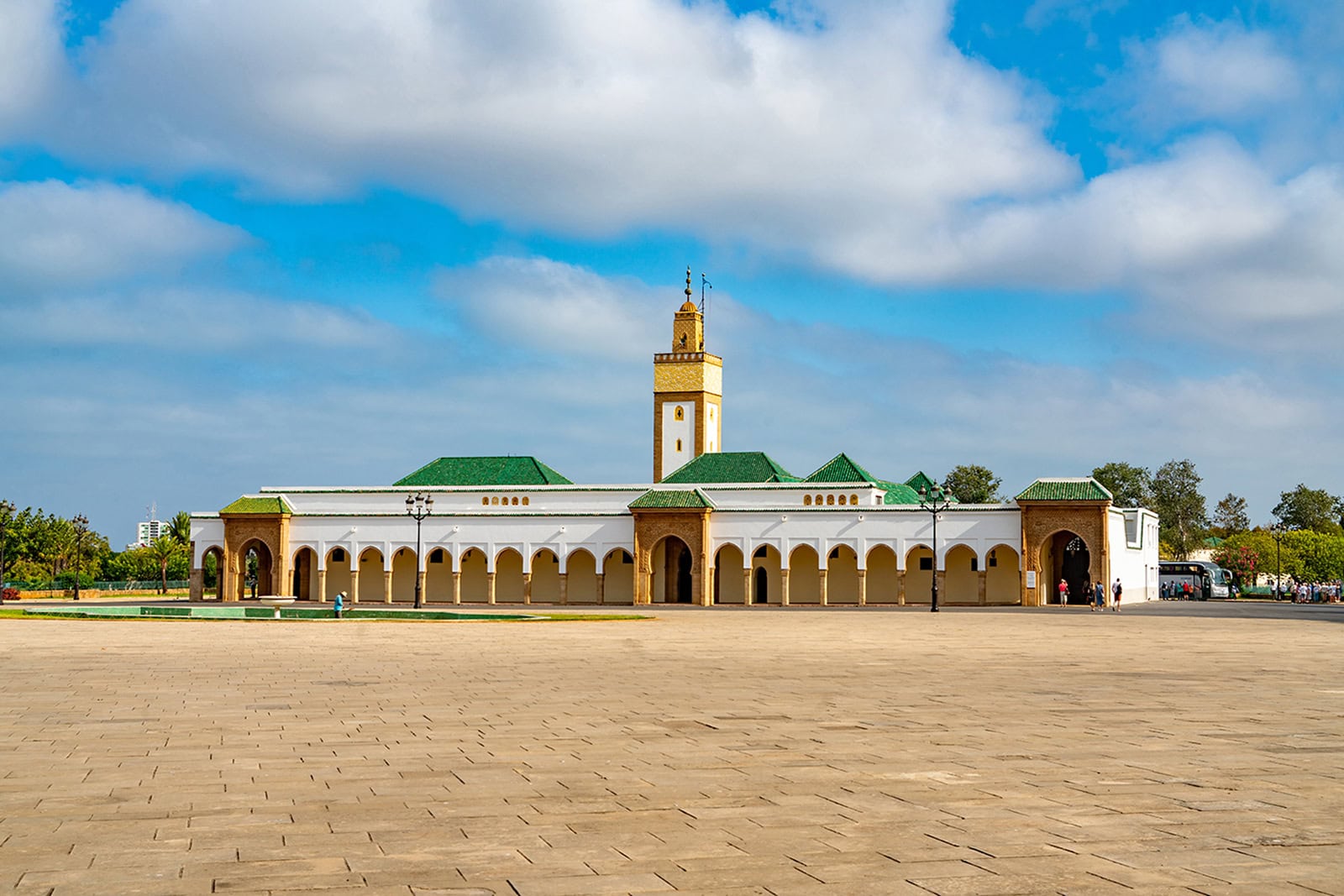
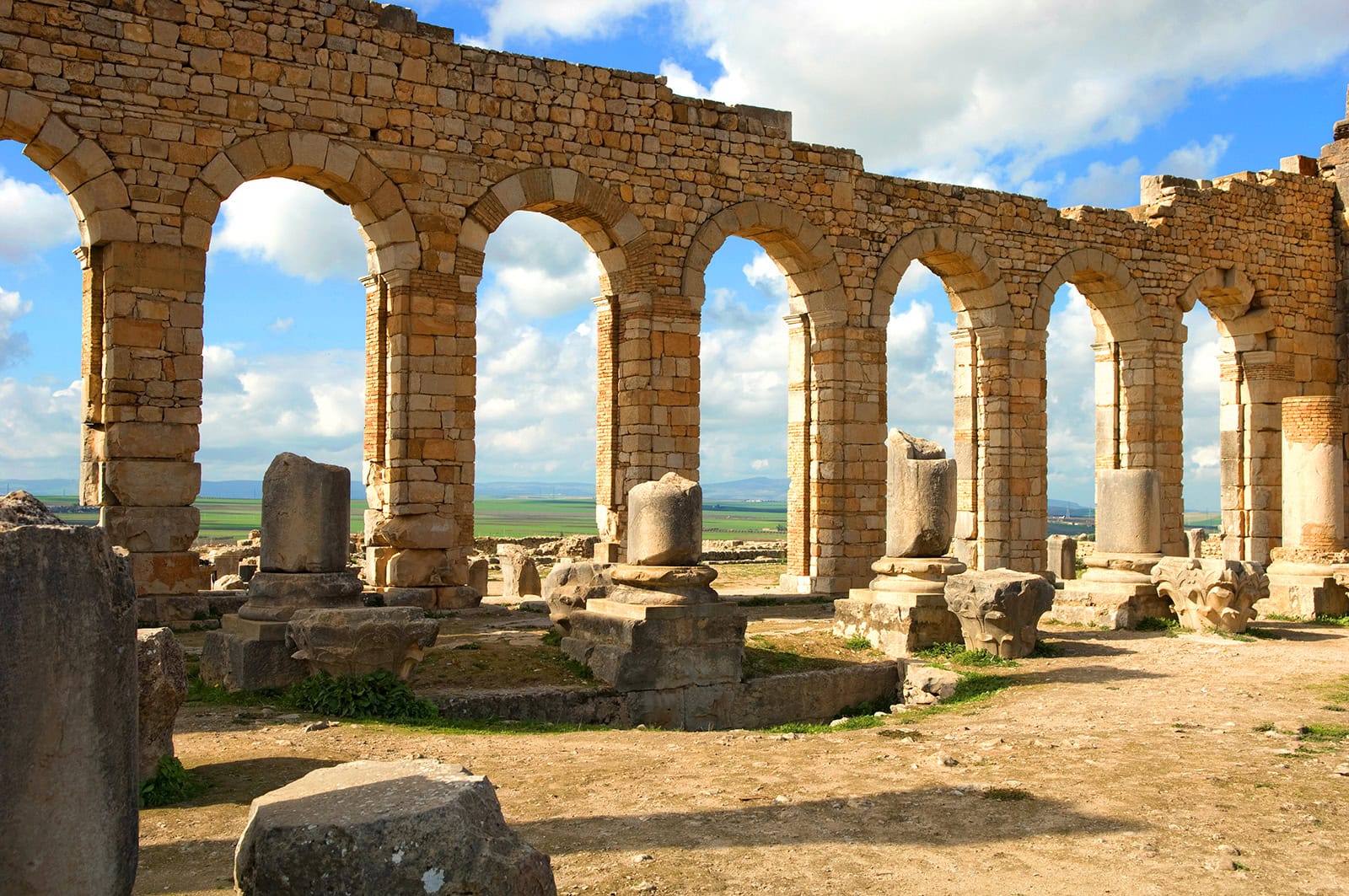
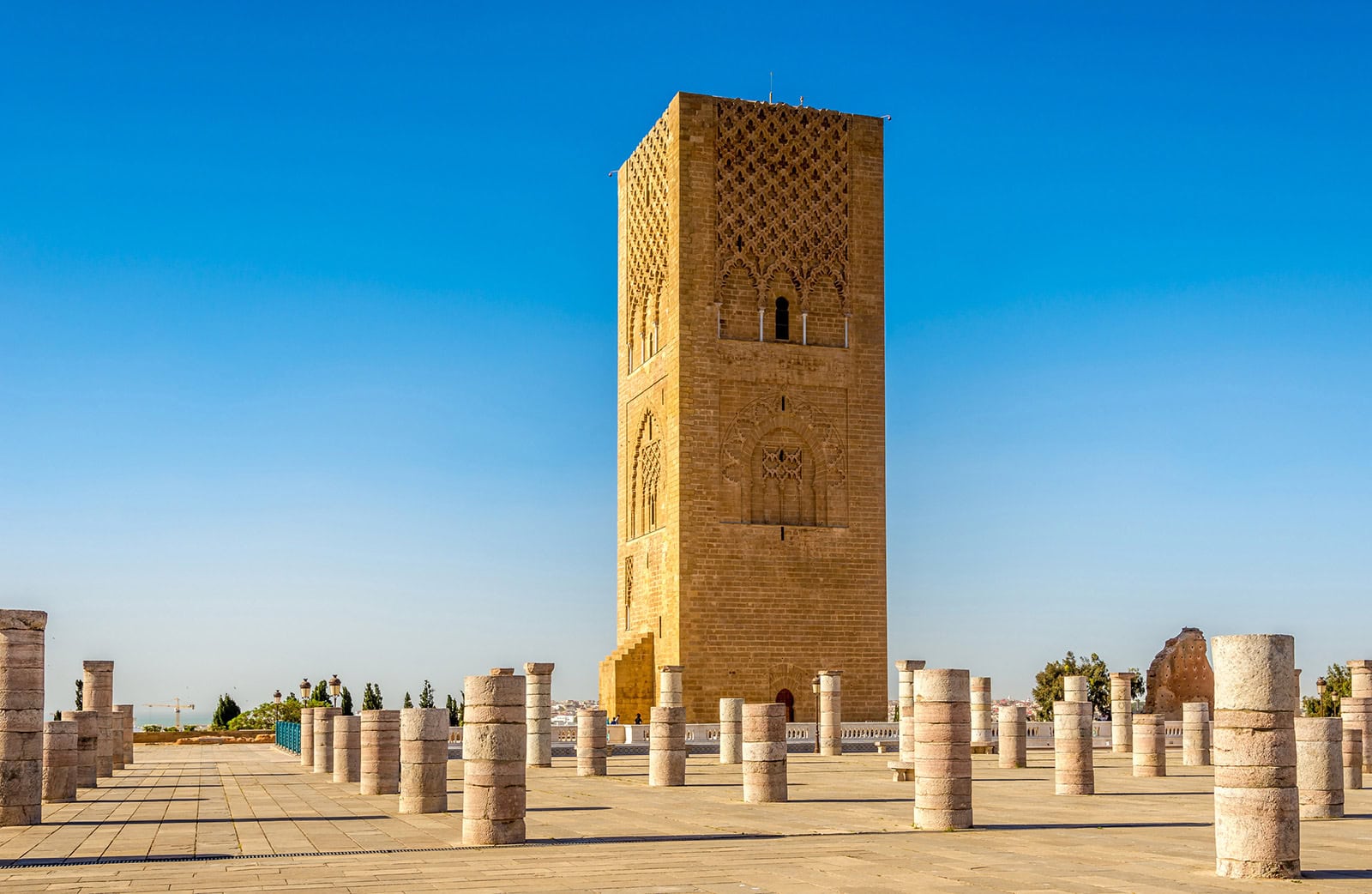
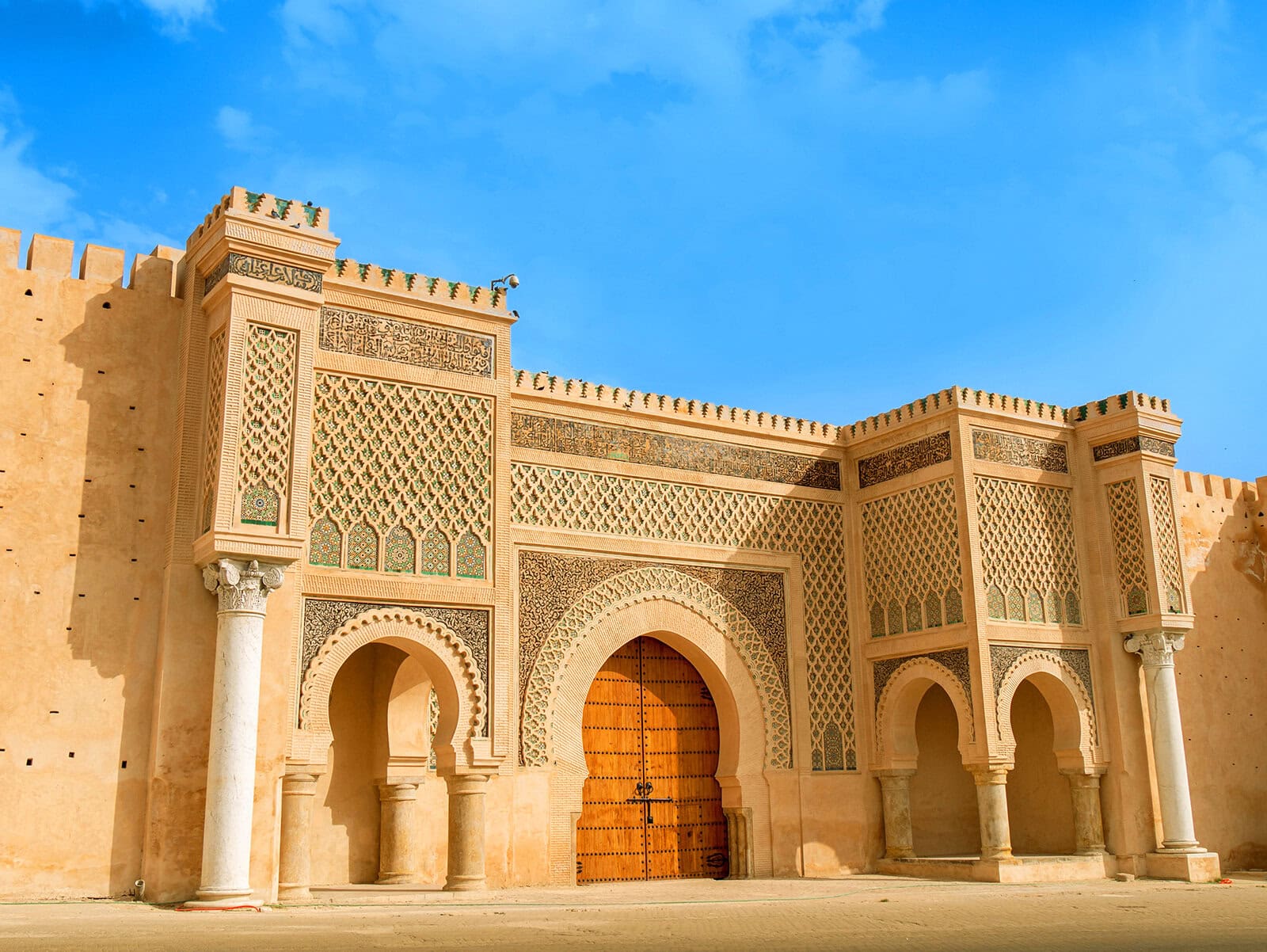
Today, we first marvel at the ruins of Volubilis (admission included). They are the largest Roman excavation site in the country and a UNESCO World Heritage Site. Afterwards, behind mighty walls, Meknès, the third imperial city, awaits us. Its magnificent old quarter is also a UNESCO World Heritage Site. We admire the lively El-Hedim Square and pause in front of the world-famous city gate Bab el-Mansour. Then we make our way to the splendid Rabat (UNESCO World Heritage), the seat of government and our fourth imperial city. On an interesting city tour, we see highlights such as the Hassan Tower and the Royal Palace. In the late afternoon, we continue to Casablanca, where we stay overnight in a modern 4-star hotel.
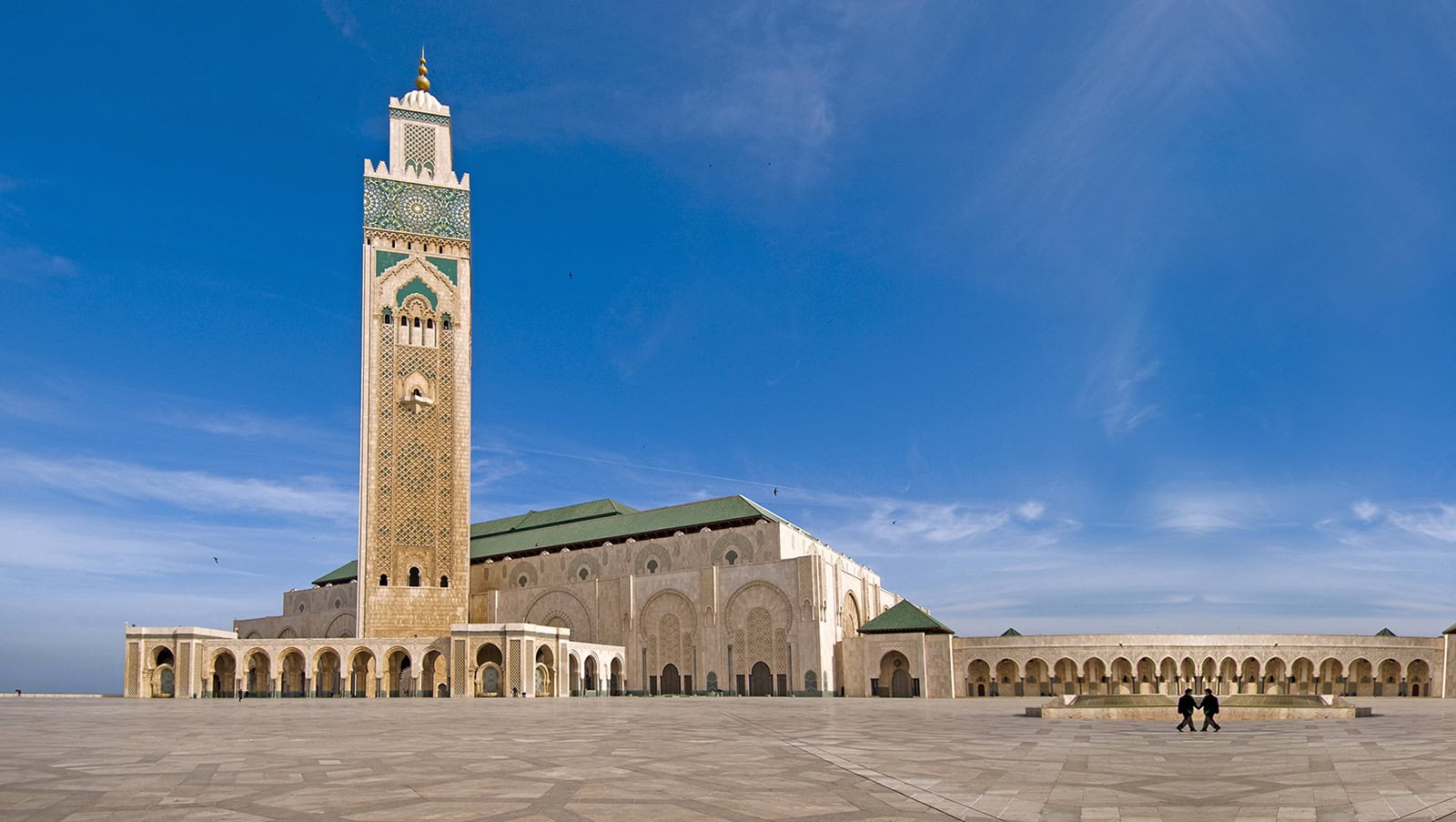
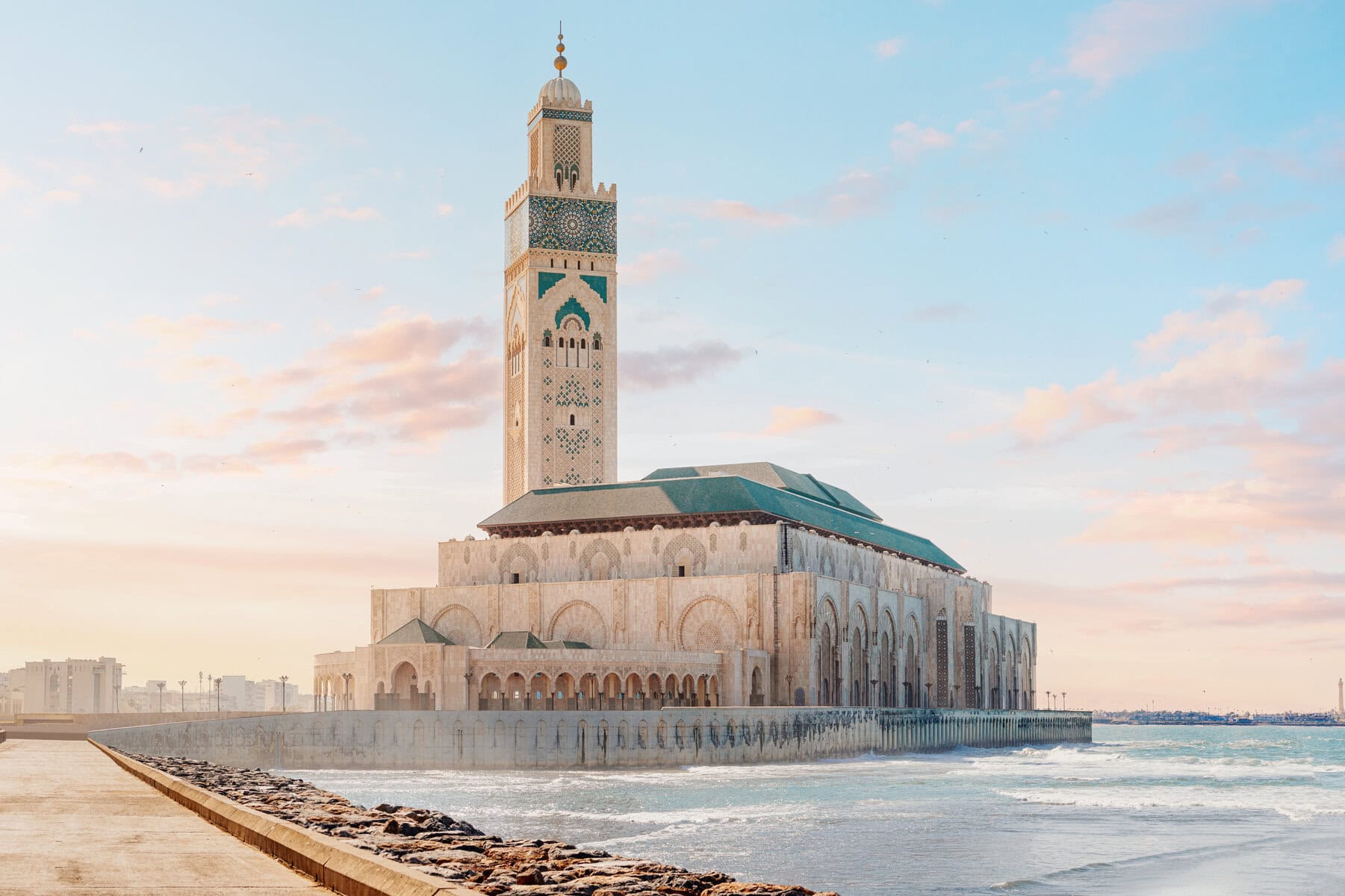
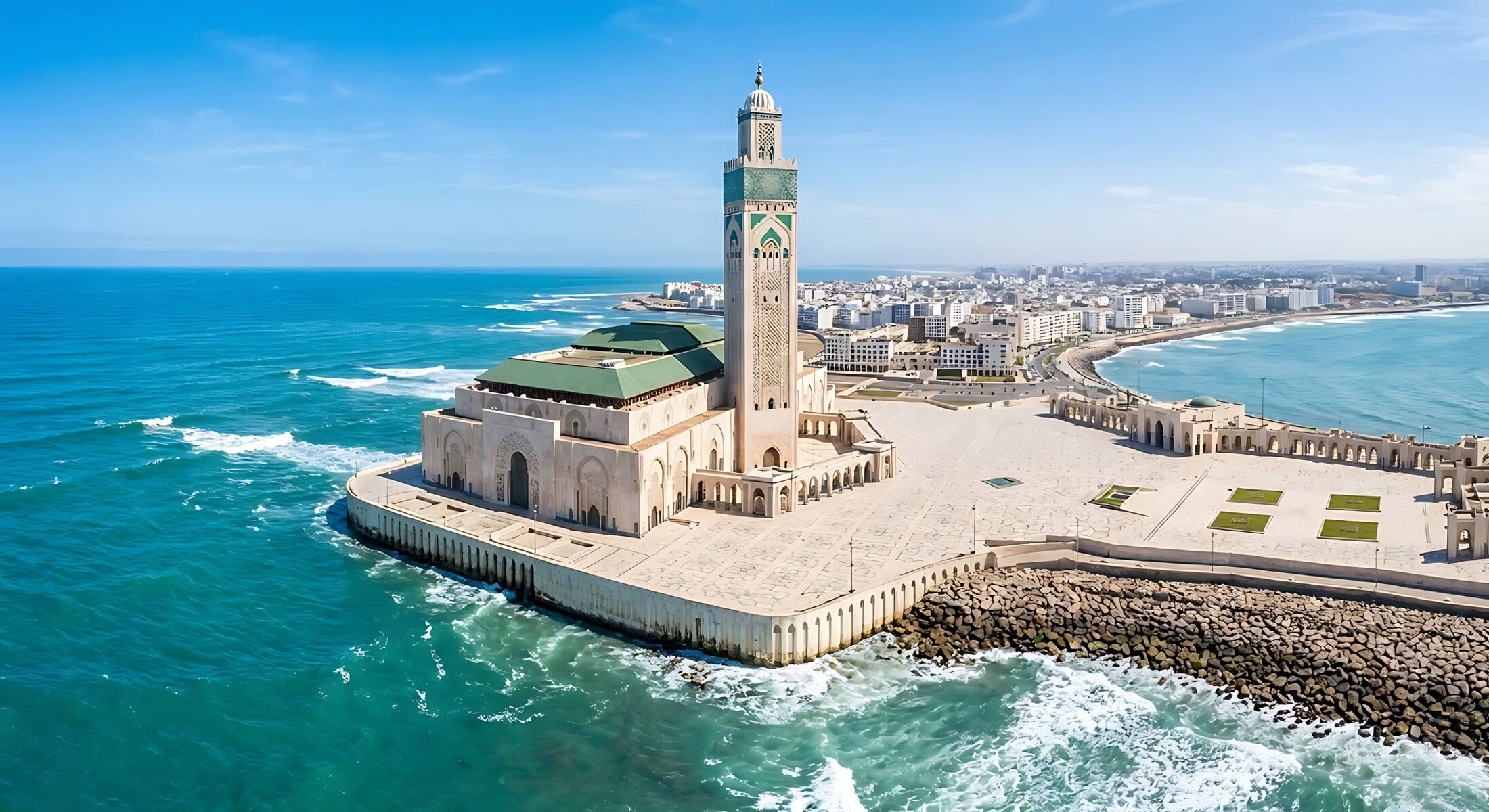
The exciting metropolis of Casablanca welcomes us with its beautiful coffee houses and shady arcades. The absolute highlight is the breathtaking Hassan II Mosque, which we visit from the outside: The minaret rises more than 656 ft into the sky, more than 100,000 worshippers can be accommodated – one of the largest mosques in the world. Afterwards, you can explore Mohammed V Square on your own and take a stroll through the historic Habous district. In the afternoon, we return to Marrakesh.
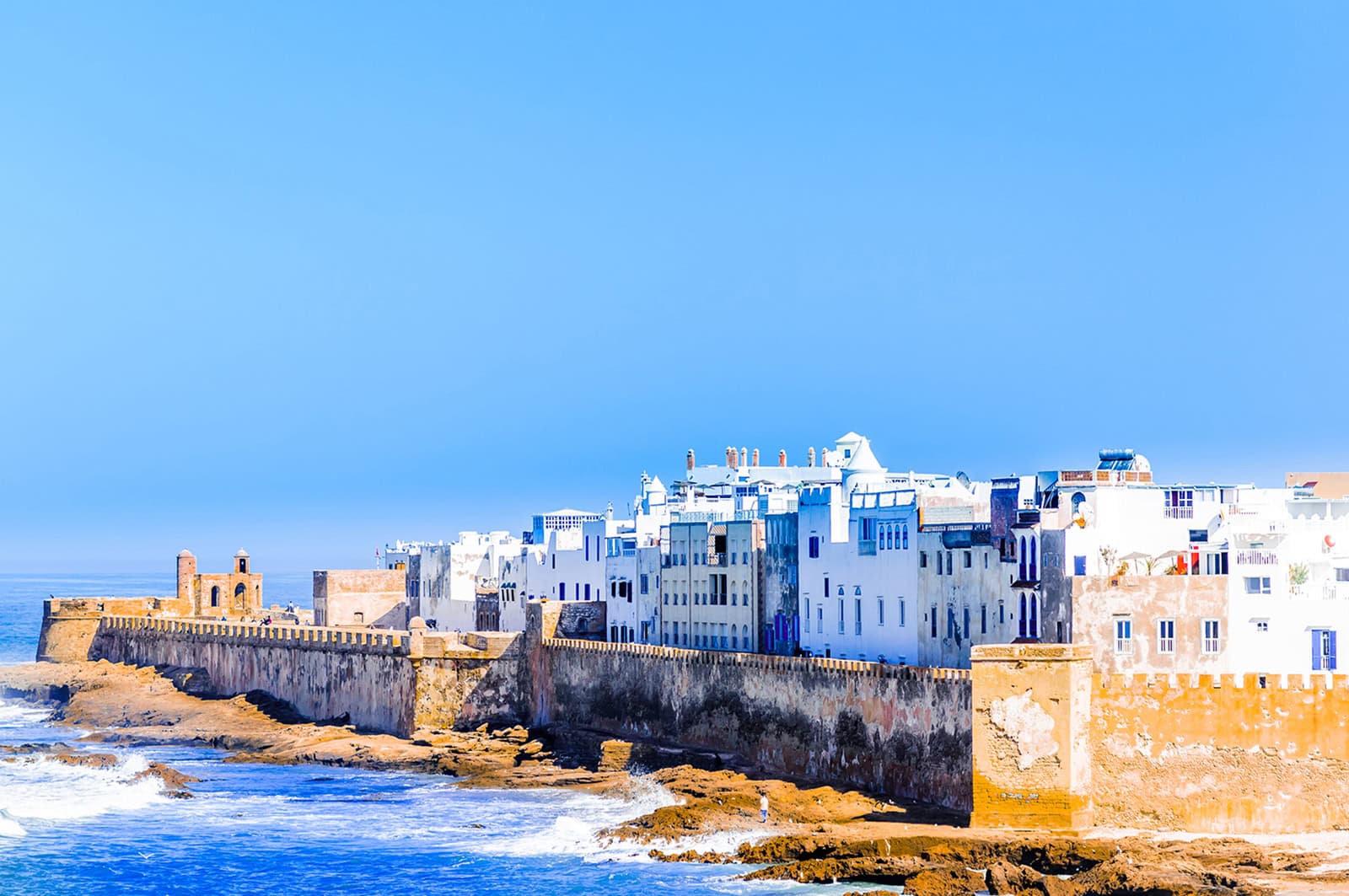
Today we are pleased to take you on an interesting, optional full-day excursion to the coastal town of Essaouira. It is also called the blue and white city because of its beautiful fishing port and the miles-long beach. We will stroll through the enchanting medina, an incredible UNESCO World Heritage Site. Another highlight is the Scala de la Kasbah, an impressive Portuguese fortress.
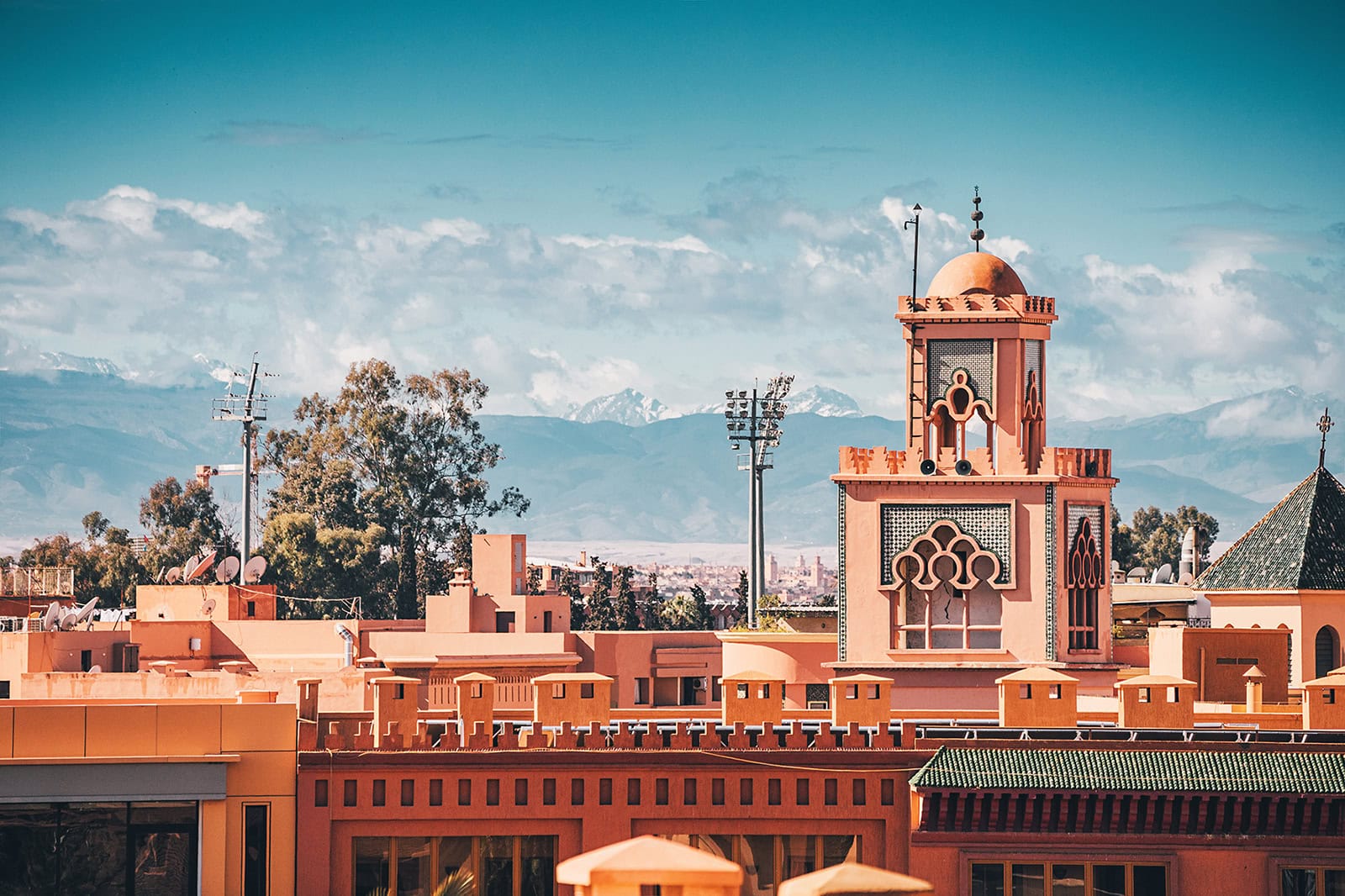
On day 10, it is time to say goodbye to the ‘Pearl of Africa‘. In a comfortable coach, we head straight to the airport, from where we fly home full of wonderful memories. Arrival on day 10 or 11³.
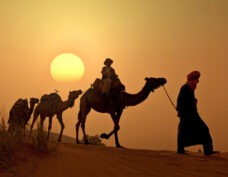
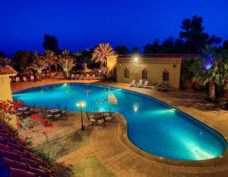


Explorer package: The package includes admission to the Bahia Palace, the Marrakesh Museum and the Hassan II Mosque, as well as the Jeep tour into the Sahara and the full-day excursion to Essaouira (World Heritage): only £149 p. p.
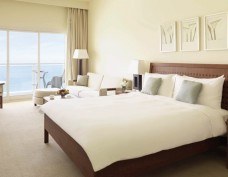
Solo travellers are warmly welcome – single room surcharge: £449 p. p. (subject to availability)
Example hotels
| Jan | Feb | Mar | Apr | May | Jun | Jul | Aug | Sep | Oct | Nov | Dec | |
|---|---|---|---|---|---|---|---|---|---|---|---|---|
| Rabat | 17 | 17 | 19 | 21 | 23 | 25 | 28 | 29 | 27 | 26 | 22 | 20 |
| London | 6 | 8 | 9 | 11 | 15 | 20 | 21 | 20 | 19 | 15 | 10 | 7 |
Below is an information overview. The conditions of entry, as well as the political and health situation, can change anywhere in the world at any time. We therefore recommend checking the website of the Foreign Office (www.gov.uk) before your departure.
Morocco is located in the northwest of Africa and is bordered to the east by Algeria, to the north by the Mediterranean Sea, and to the west by the Atlantic Ocean.
Constitutional monarchy
Rabat
Islam (Sunnis of the Maliki school of law)
Arabic (especially Darija) and Tamazight
Morocco has several climate zones. In the coastal regions, there is a Mediterranean climate with warm summer and mild winter months. Inland, there is a continental climate, characterised by heat and dryness.
The mains voltage in Morocco is 110/220 V at 50 Hertz. An adapter is recommended.
In Morocco, GMT+1 applies without daylight saving time adjustment. The time difference to the UK is -1 hour in winter, while there is no difference in summer.
The dialling code for international calls from the UK to Morocco is 00212 (+212). For calls to the UK, dial 0044 (+44) first. The 0 before the area code is omitted in each case.
Morocco is known for the warm hospitality and openness of its locals. This country, shaped by Islam, fascinates with its rich cultural heritage, which is reflected in the invigorating blend of ancient traditions and modern life, especially in the cities.
Particularly important is the respect for religious practices – this should be taken into account during a visit, especially when entering mosques or other sacred sites. The vast majority of Moroccan society is conservative in values and maintains a traditional understanding of roles. Women travelling alone should behave discreetly and exercise healthy caution. The consumption of alcohol is prohibited in public. However, in cities it is also served in some hotels and restaurants. During the fasting month of Ramadan, there are likely to be restrictions in everyday life outside tourist centres (e.g. restaurants closed during the day, reduced working hours at public authorities) and increased sensitivity regarding respect for Islamic traditions. It is recommended not to eat, drink or smoke in public from sunrise to sunset. In restaurants that serve food during the day, this is of course possible.
Tipping recommendation in GBP: As in America, tipping in service professions forms part of the income. It also symbolises recognition for the service provided. For the chambermaid, you can leave about £2 per person per night, and for the porter about £2 per stay. In restaurants, about £2 per person per meal is customary. For group tours, we recommend about £5 per person per day for the tour guide and about £3 per person per day for the coach driver. Naturally, it is up to each individual whether and how much to tip.
To enter Morocco, your full ‘British citizen’ passport must have an ‘expiry date’ at least 3 months after the date you arrive. You can visit Morocco without a visa for up to 90 days for tourism. Make sure the border official stamps your passport. Some travellers have had difficulties leaving Morocco because their passport has no entry stamp. Make sure your passport is not damaged. The Moroccan authorities have denied entry to some travellers with damaged passports. Renew your passport if you need to.
You will be denied entry if you do not have a valid travel document or try to use a passport that has been reported lost or stolen.
Regulations in respect of passport and visa requirements for Morocco are the responsibility of the Ministry of Foreign Affairs of Morocco whose Web site is at www.diplomatie.ma/en. If you hold a different type of British nationality (BN(O), British Overseas
Citizen, British Protected Person or British Subject), please check visa requirements with the Moroccan Embassy before you travel. Citizens of other countries are advised to enquire about the applicable entry requirements from their respective embassy.
However, passport and visa requirements change from time to time and are also dependent on the purpose of your visit and your nationality. Whilst we endeavour to provide guidance where necessary, we can not be responsible for any problems encountered (whether at any point of entry or elsewhere) in the event that passport and visa requirements are not satisfied.
Your expert tour guides will be able to provide you with detailed information about the country, people, history, culture, etc., and offer advice and assistance for organising your trip. They can also help with room allocation and look forward to welcoming you with initial information. Here you will find out all you need to know and useful information about the trip. We have put together a varied programme including numerous highlights, enabling you to experience the culture and diversity of landscape that Morocco has to offer, and learn all about the country and its people.
Although your trip already includes a comprehensive package, you also have the option of choosing added extras. We recommend booking the following packages:
Gourmet package: The package includes 9× sumptuous buffet featuring international specialties: only £169* p. p.
Explorer package: The package includes admission to the Bahia Palace, the Marrakesh Museum and the Hassan II Mosque, as well as the Jeep tour into the Sahara and the full-day excursion to Essaouira (World Heritage): only £149* p. p.
* Package prices may vary when booking on site.
The currency is called the Moroccan Dirham (MAD). Exchange rate (May 2026): 1 GBP = 12.43 MAD; 1 MAD = 0.08 GBP.
Please note that the Moroccan Dirham cannot be exchanged outside the country’s borders. We recommend exchanging money only at official exchange offices. You will find these at airports, in some hotels, and at most banks. When exchanging money, you will receive a receipt. You should definitely keep this until your departure in order to exchange any unused Dirham back at the end of your trip. In general, up to 50 percent of the originally exchanged amount can be changed back. The import and export of the national currency is limited to 2,000 MAD (approx. £160) in cash. Alternatively, you have the option of withdrawing cash in larger cities using a credit card or EC/Maestro card and PIN number.
However, there have recently been repeated incorrect transactions at cash machines in Morocco. When withdrawing cash, high fees may be charged by the respective bank.
As a rule, it is also possible to pay in hotels, shops, or larger restaurants with major international credit cards. To ensure that your card is activated for use in Morocco and for further information on using your bank cards abroad, please contact your bank.
There are strict rules about goods you can take into or out of Morocco (www.douane.gov.ma). You must declare anything that may be prohibited or subject to tax or duty.
You can take up to 2,000 MAD (approx. 160 GBP) into or out of Morocco. The dirham is ‘non-convertible’ – it cannot be easily exchanged for other currencies.
You must declare foreign currency worth 100,000 MAD or more (approx. 8,000 GBP) when you enter or leave the country. There is no limit on the amount of foreign cash you can carry.
Important: If you are travelling to Great Britain from outside the UK, your personal allowances mean you can bring in a certain amount of goods without paying tax or duty. If you go over your allowances you must declare all your goods and pay tax and duty on all the goods in that category. Please inform yourself about the current customs regulations: https://www.gov.uk/bringing-goodsinto-uk-personal-use/arriving-in-Great-Britain.
Morocco is located in a seismically active zone, which means that earthquakes can occur. From November to March is the rainy season, which can lead to heavy snowfall, flooding and consequently significant traffic disruptions, especially in the High Atlas Mountains.
Crime: The crime rate in Morocco is relatively low, but should not be ignored. There is an increased risk of muggings and thefts, particularly near tourist attractions and historic city centres. In isolated cases, violence and weapons may also be used, especially if attackers are under the influence of drugs. When going for walks or excursions, only carry what is absolutely necessary. Large amounts of cash and original identification documents should be left in the hotel safe from the outset.
If at all, only carry secure (PIN-protected) credit cards with you. Take photocopies of your documents with you when travelling. Alternatively, the files can be saved to your private email account, making them accessible worldwide. Avoid crowds of people as much as possible and pay attention to your valuables in places frequented by tourists. Carry your valuables close to your body.
Photographing military installations and uniformed persons is prohibited. Possession of narcotics in Morocco is punishable by prison sentences of up to 10 years as well as heavy fines and customs penalties. Even the possession of the smallest amounts is a criminal offence. Extramarital and same-sex sexual relationships are still criminal offences in Morocco and can lead to fines and prison sentences. Criticism of the King, the monarchy or Islam is punishable by law; this also applies to comments on social media. Foreigners may also be prosecuted.
At least 8 weeks before your trip, check the latest countryspecific health advice from the National Travel Health Network and Centre (NaTHNaC) on the TravelHealthPro website (https://travelhealthpro.org.uk/countries). Each countryspecific page has information on vaccine recommendations, any current health risks or outbreaks, and factsheets with information on staying healthy abroad.
Medical care in the country cannot be fully compared to that in Europe. However, there are good private clinics of a high standard in Rabat, Casablanca, Tangier and F.s. In rural areas, on the other hand, emergency care and general medical care can be problematic in terms of equipment and hygiene. In addition, there is often a lack of doctors who speak good English.
It is strongly recommended to take out international health insurance with the option of repatriation to the UK.
Customers must ensure that they are in good physical and mental health in line with the trip in question. Customers must enquire about the physical mobility and psychological autonomy required for this trip.
All information is subject to change/Last updated: May 2026